
Full 25-point door and opener safety check with every visit - springs, cables, rollers, tracks, and your LiftMaster or Chamberlain opener included
You get a price before we start. It does not change when the truck arrives.
 Before
 After
After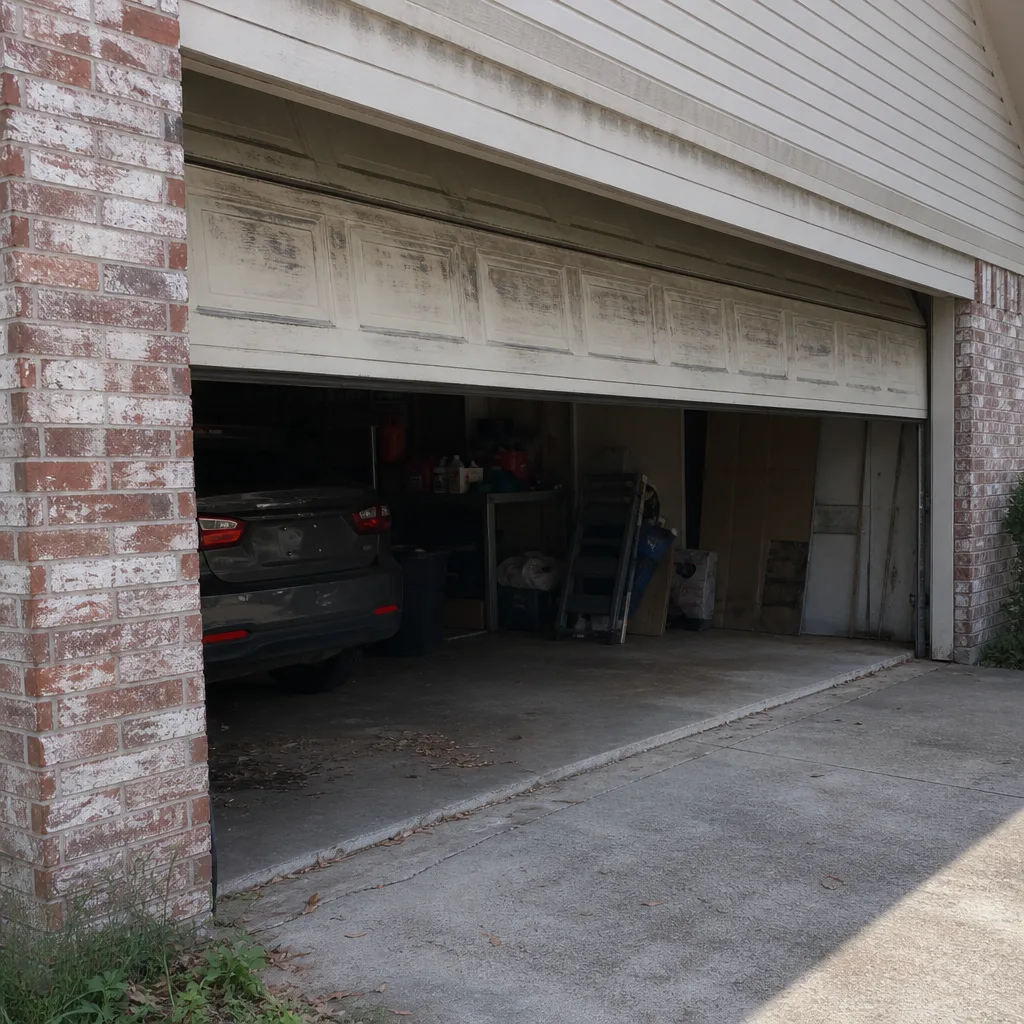 Before
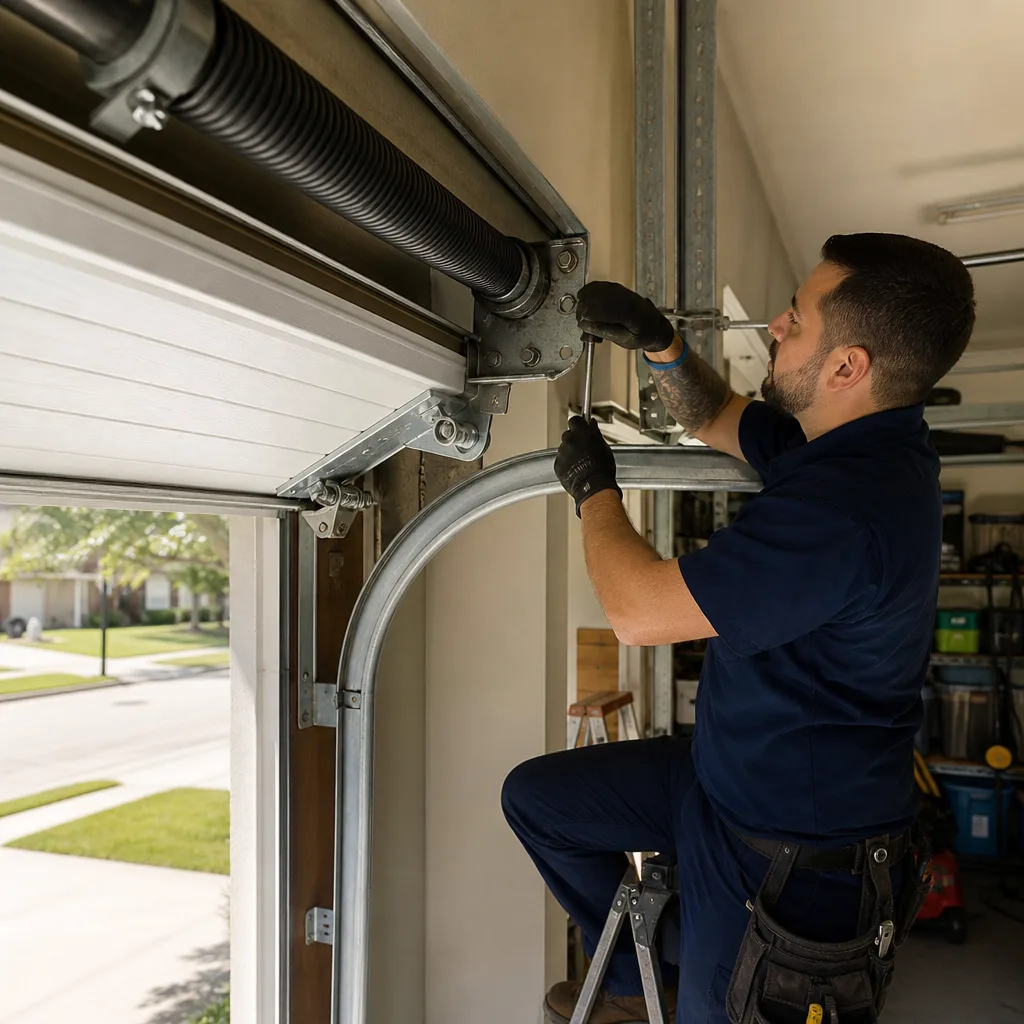 After
After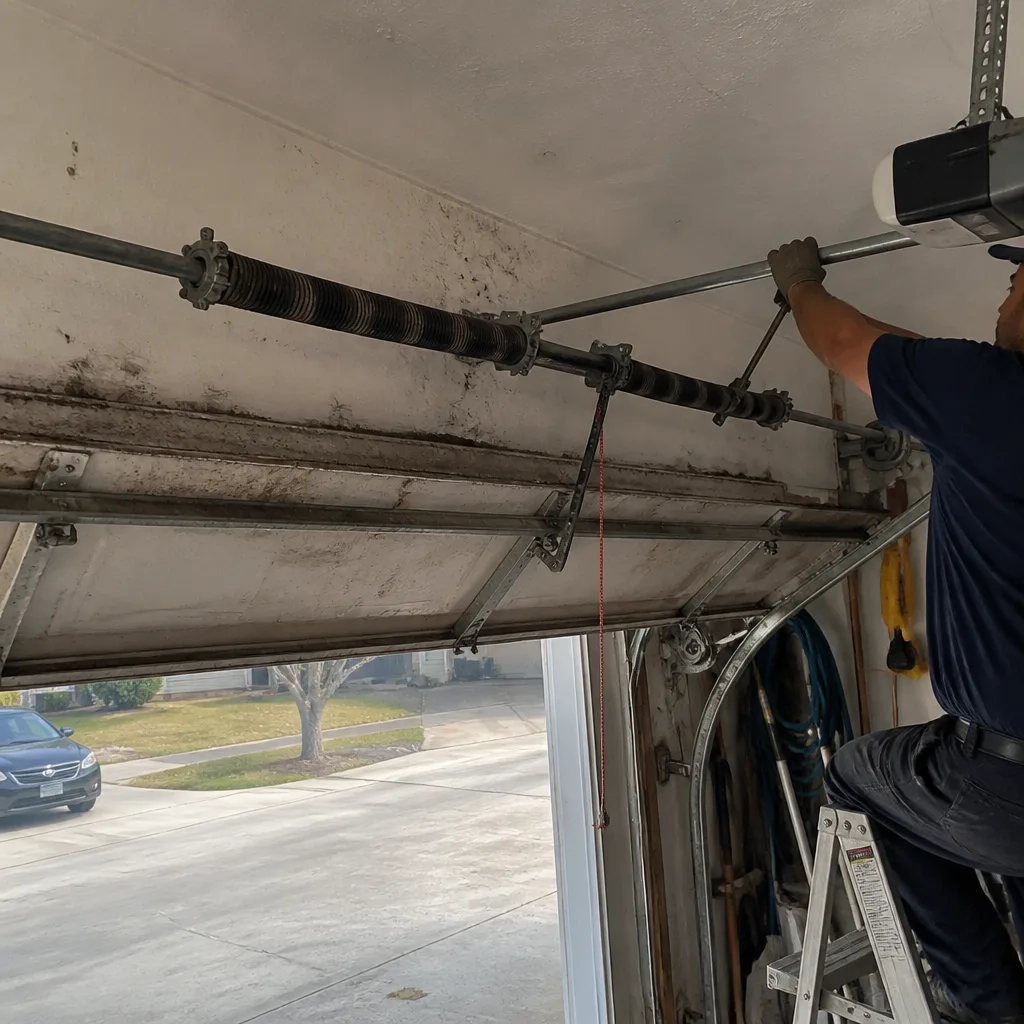 Before
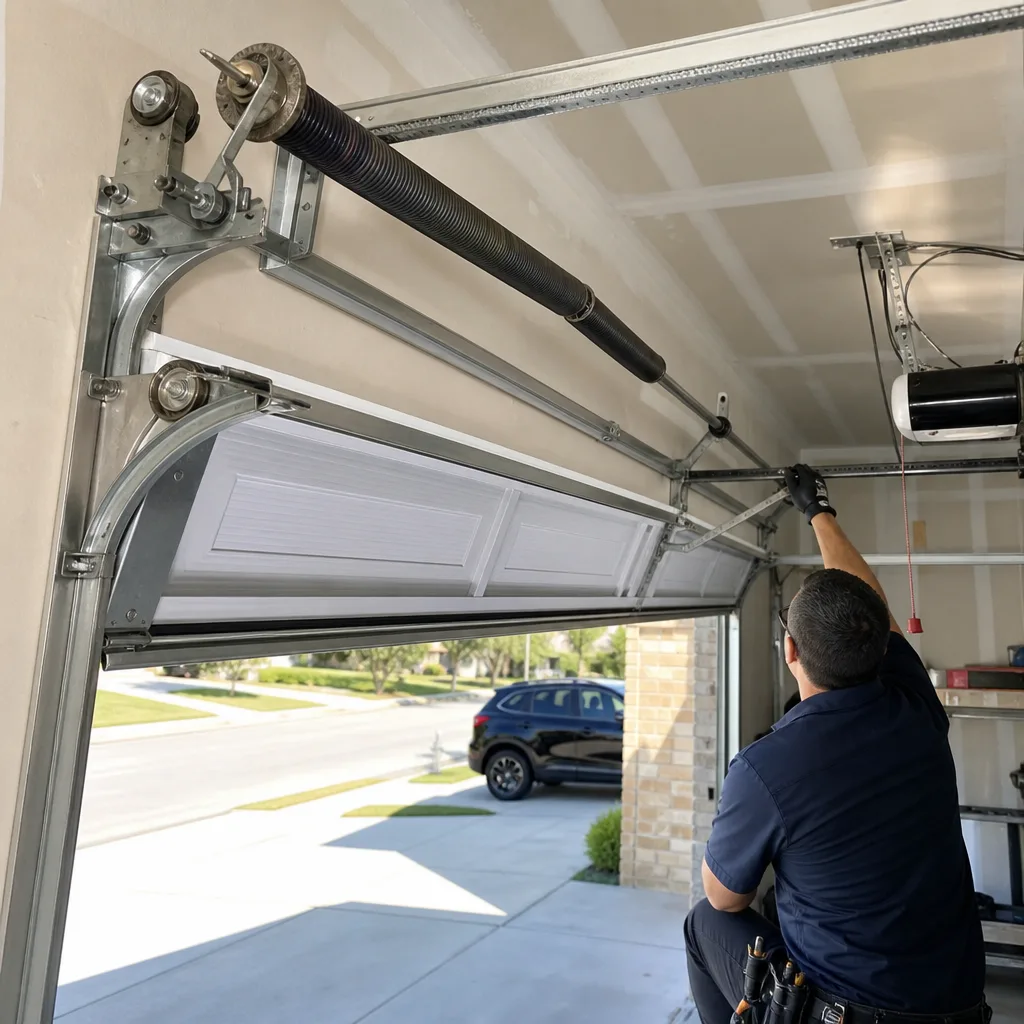 After
AfterChamberlain Torsion Spring Replacement: The Liberty Owner’s Guide
We stock and install Chamberlain-compatible torsion springs for Liberty homes, typically priced between $180 and $340 installed, and we can usually get to you the same day when a spring lets go. Most folks discover the failure the hard way: a bang from the garage that sounds like a two-by-four snapping, then a door that won’t budge. If you’re standing in the driveway right now wondering whether to call someone or wrestle with it yourself, call us first at (346) 496-4718. We’ll tell you straight what you’re dealing with before anyone gets in a truck.
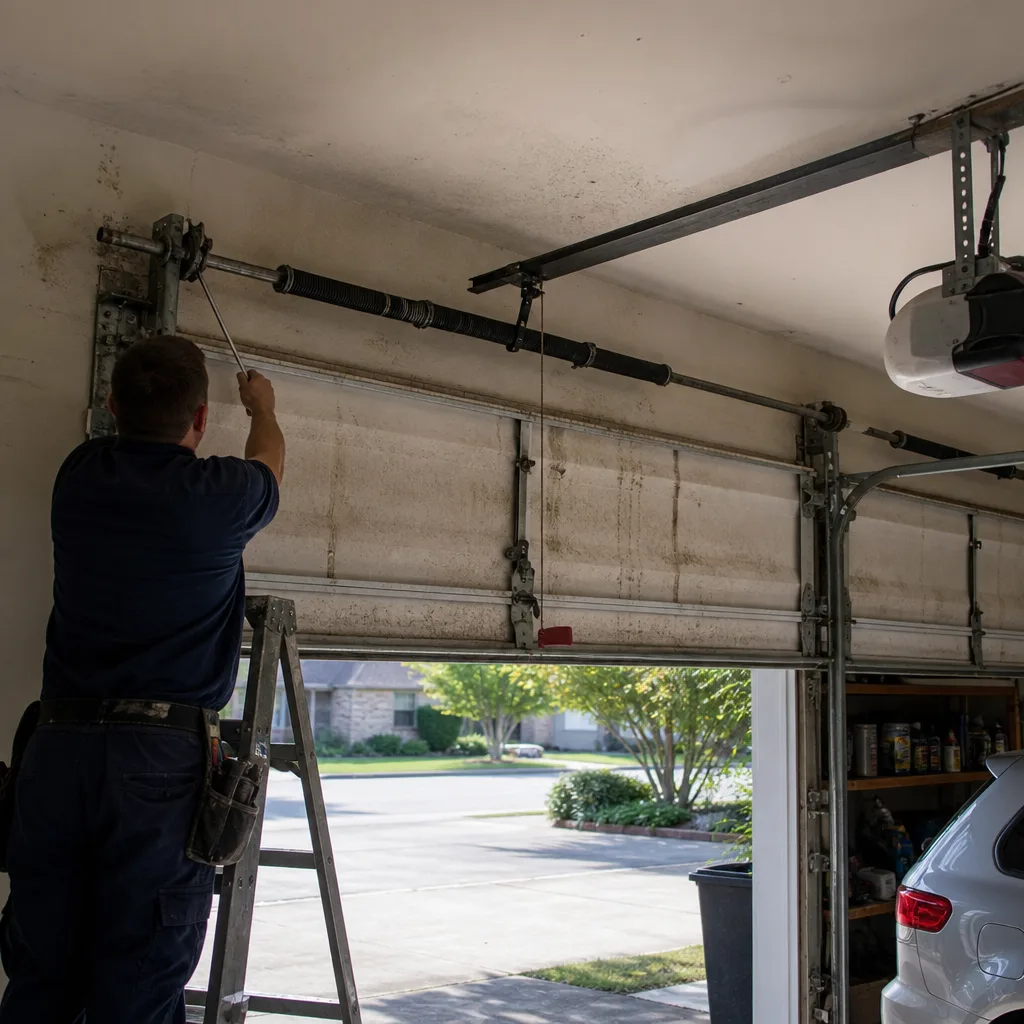
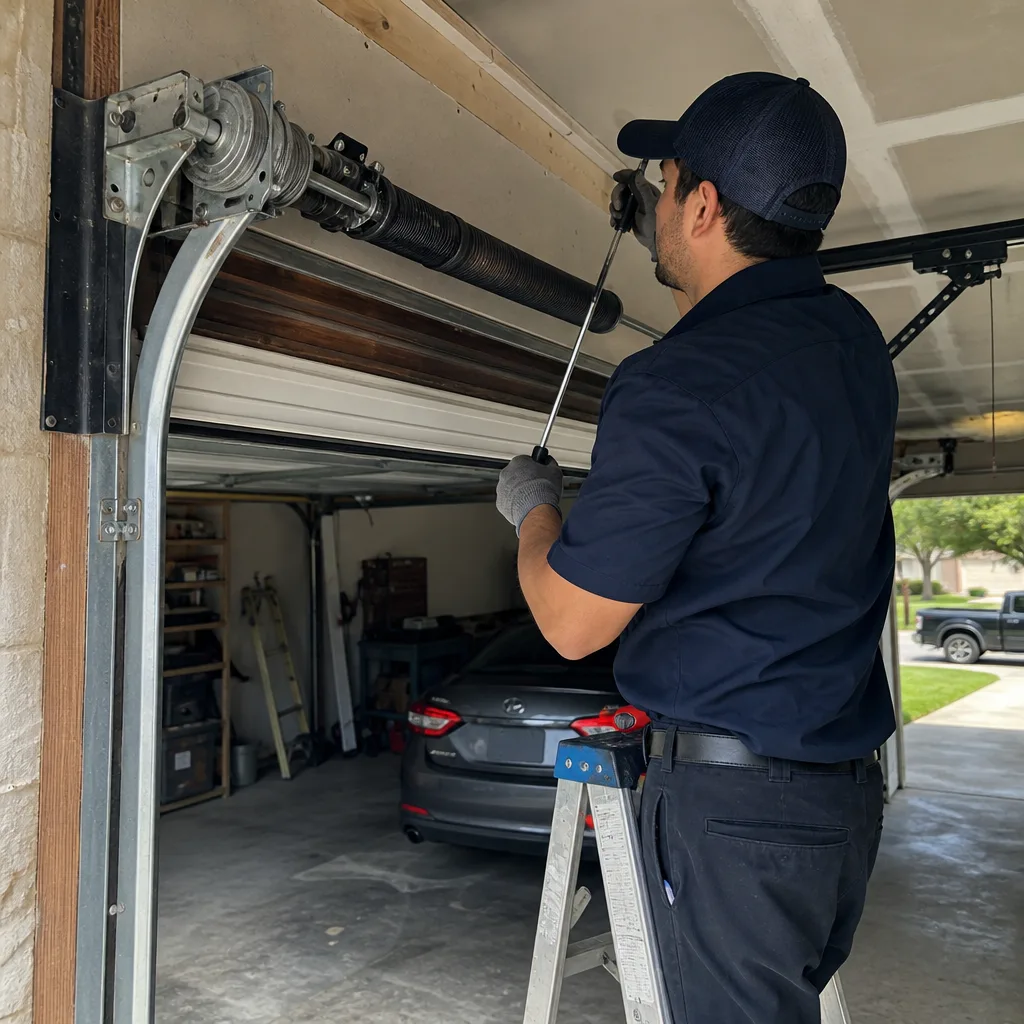
The spring above your Chamberlain door carries roughly 200 pounds of tension every single cycle. When it breaks, that energy releases all at once, which is why it sounds like a gunshot. The door itself doesn’t know the spring is gone; it just becomes dead weight. Your opener can’t lift dead weight. That’s the whole story in three sentences, and it’s why this repair isn’t optional.
Which Chamberlain Models This Applies To
If you have a Chamberlain opener driving a sectional door, chances are the torsion spring above the door is not a Chamberlain-branded part at all. Chamberlain builds openers. The springs on residential doors come from manufacturers like Dasma, SSC, and a handful of regional suppliers that the door installer chose at the time of installation. So the part we replace is matched to your door’s weight and dimensions, not to the Chamberlain logo on the opener.
Here’s the compatibility gotcha most owners never hear: the spring must match your door’s exact weight and height, not just look similar. A spring wound for a 16×7 steel door won’t work on a 16×7 wood-overlay door that weighs 40 pounds more. We measure the existing spring’s wire diameter, inside diameter, length, and wind direction (right-hand or left-hand) before quoting anything. The door’s color code, if it has one, only tells part of the story. What matters is what’s actually holding your door up. When it comes to OEM versus aftermarket, we carry both. The aftermarket springs from a quality manufacturer meet or beat the lifespan of the original in Liberty’s climate, and they cost less. We’ll show you the difference and let you decide.
Signs Your Chamberlain Torsion Spring Replacement Is Failing
- You heard a loud bang from the garage, and now the door won’t open. That’s the spring snapping, not the opener. The opener will hum and strain; the door won’t move. This is the one that gets most people on the phone.
- The door opens a few inches, then stops or reverses. One spring has already broken and the remaining one is overloaded, or you have a single-spring door that’s lost tension. The opener’s force sensor reads the strain and gives up. It’s protecting itself, not being stubborn.
- The door feels heavy when you pull the manual release cord. A properly balanced door should lift with one hand and stay where you leave it. If it wants to slam down, spring tension is failing or gone. Do not test this with your face under the door.
- You see a visible gap in the spring above the door. Torsion springs don’t always snap clean; sometimes they unwind and separate. A two-inch gap means the spring has lost its tension and is doing nothing for you.
- The door sits crooked or one side hangs lower than the other. When one spring fails, the remaining spring pulls harder on its side. The door torques, the cables go slack or overwrap, and the whole assembly gets out of alignment fast. This compounds the damage if you keep running the opener.
Key takeaways: a broken spring never fixes itself, running the opener on a broken spring damages the opener and the door, and every cycle you force after a failure makes the eventual repair more expensive. One call stops the bleeding.
Replacement Cost & What’s Included
In Liberty, a Chamberlain torsion spring replacement runs $180 to $340 installed, depending on whether you have one spring or two, the spring’s size and cycle rating, and whether we’re also correcting cable or drum damage from the failure. The price you get on the phone is the price you get on the invoice. No surprises at the door, no mysterious line items. Otto Reinhardt has been quoting jobs this way since 2004, and the number holds because he’s the one standing behind it.
Here’s how that price breaks down in our county:
- Spring itself: $60 to $140 per spring, depending on wire gauge and cycle rating. We buy quality; we don’t buy bargain-bin.
- Labor and setup: $90 to $180, which includes winding the new spring, balancing the door, lubricating the bearings, and cycle-testing everything.
- Safety inspection of cables, drums, and rollers: included. We don’t charge extra to tell you what’s about to fail next.
Every replacement carries the 90-Day Done Right Promise in writing. If it’s not right, Otto comes back and makes it right. That’s not a warranty card buried in a drawer; that’s his name on the work, and he lives twenty minutes from you.
DIY or Call Us?
Here’s what you can safely do: check the spring for a visible break, check the cables for fraying, and give Otto’s Garage Door a call at (346) 496-4718. Here’s what you should not do: attempt to unwind, rewind, or replace a torsion spring yourself. These springs hold enough tension to break bones or worse if the winding bars slip. The tools sold in kits don’t replace the years of hands-on training Otto picked up at Los Angeles Trade-Technical College before he ever touched a spring in Texas. Respect the spring, and let someone who winds them for a living do the winding.
If you’ve already got the door braced with a 2×4 and you’re staring at the parts diagram, here’s what we’d tell any neighbor in Liberty: close the garage, walk inside, and pick up the phone. The spring is the one repair where a mistake doesn’t just cost more money; it puts you in the hospital. We’ll have the parts on the truck and the door balanced before your coffee gets cold. Tell me what it’s doing, I’ll tell you what it needs - no runaround.
FAQs
Expect 7 to 12 years, or roughly 10,000 cycles, depending on the spring’s rating and how often you use the door. Liberty’s heat and humidity do not shorten spring life dramatically, but the humidity does accelerate rust on cheaper springs, which is why we install springs with a proper cycle rating and recommend the higher-cycle option when you’re planning to stay in the house. Call (346) 496-4718 and we’ll tell you what’s left on yours - we count spring cycles the way you count tire miles.
No. A broken spring is a spent spring, and no shop that values its license will try to weld or patch one. The metal has already failed under load; anything short of a full replacement leaves you with a door that could come down at any moment. We replace the spring and inspect everything else while we’re there.
A standard one-spring or two-spring replacement takes 45 to 90 minutes on site, including balancing the door and testing the opener. If the failure also damaged cables or brackets, we’ll quote that additional work before we start, so there’s no surprise billing at the end. Same-day service is standard for spring failures in Liberty.
We stock a full range of torsion spring sizes and wind directions on our service vehicles, so in most cases we arrive with everything needed to complete the job in one trip. We also carry parts for LiftMaster and Genie openers, so if the failure burned out your opener’s gear, we can fix that too. One call covers it: (346) 496-4718.
Written by Otto Reinhardt, Owner, Otto’s Garage Door - Liberty, TX at Otto’s Garage Door, serving Liberty and nearby areas.