
Full 25-point door and opener safety check with every visit - springs, cables, rollers, tracks, and your LiftMaster or Chamberlain opener included
You get a price before we start. It does not change when the truck arrives.
 Before
 After
After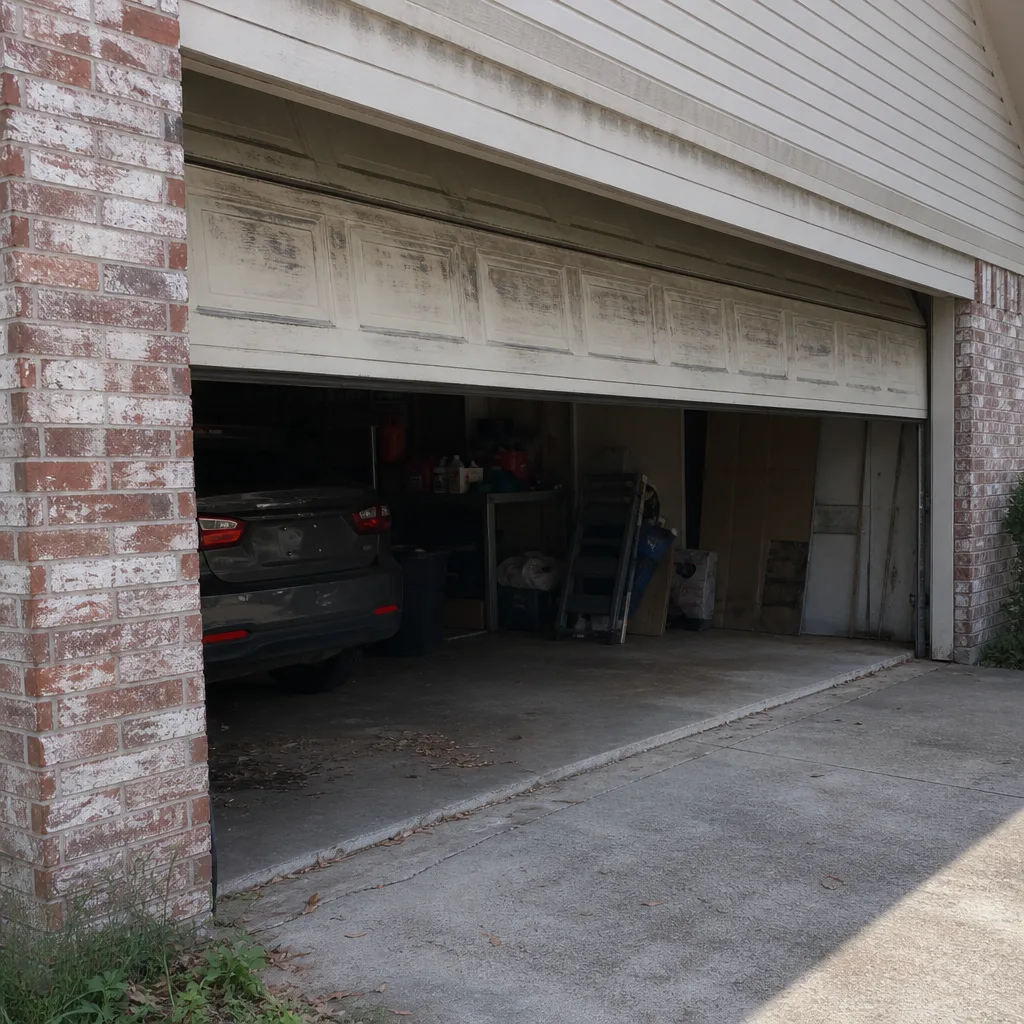 Before
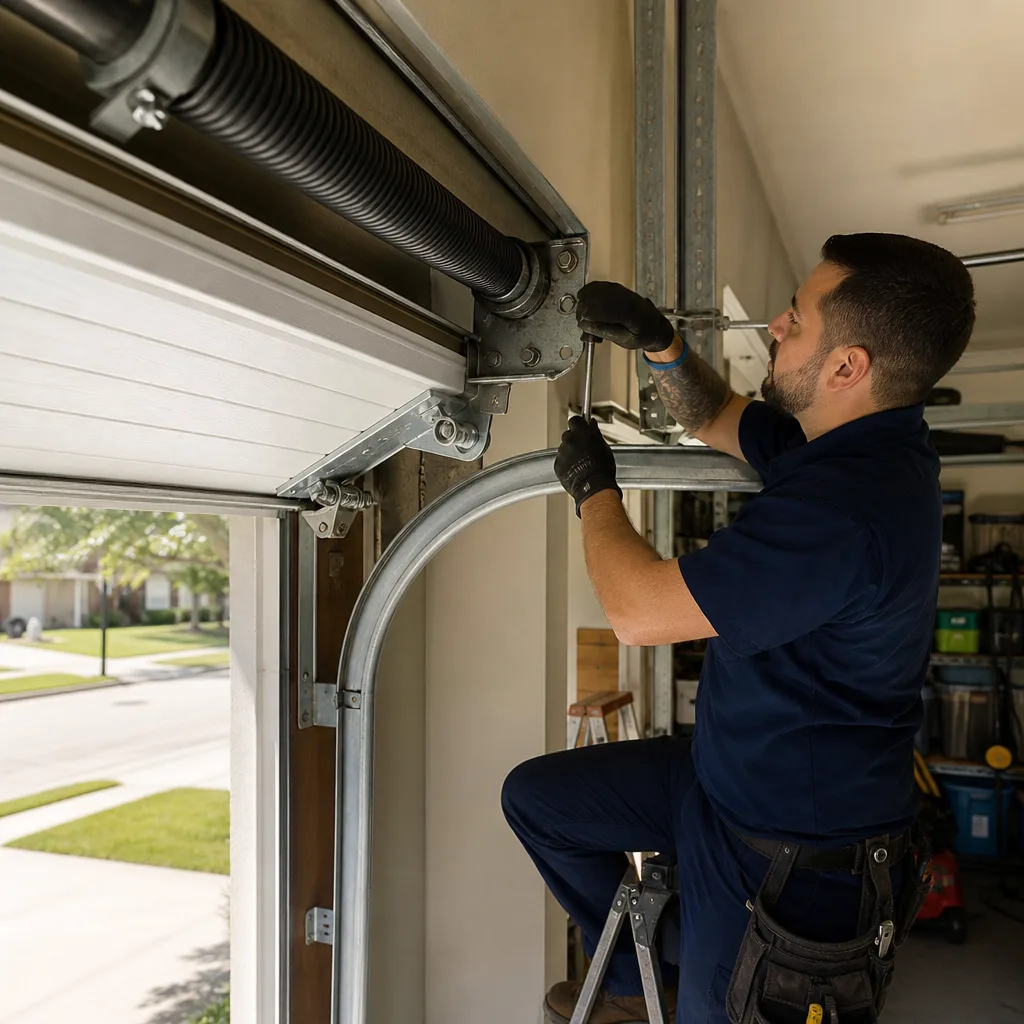 After
After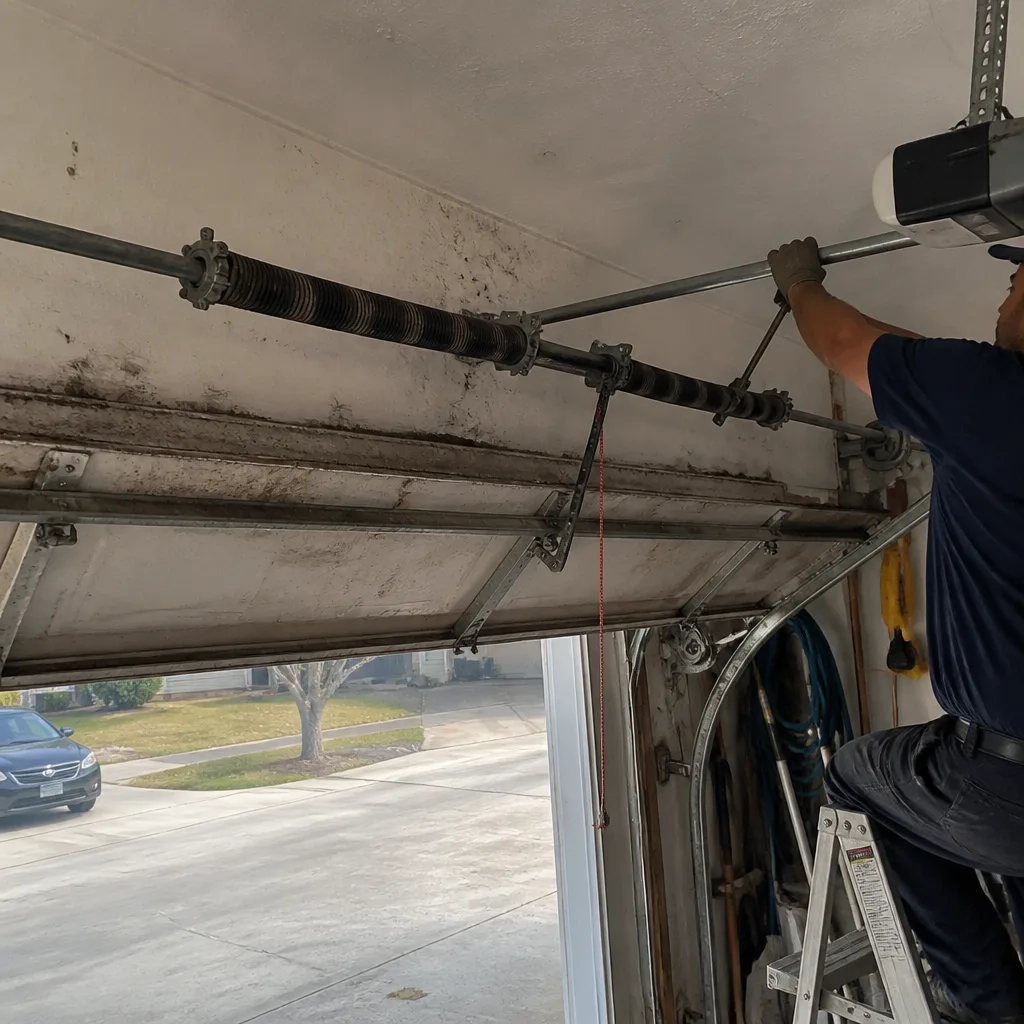 Before
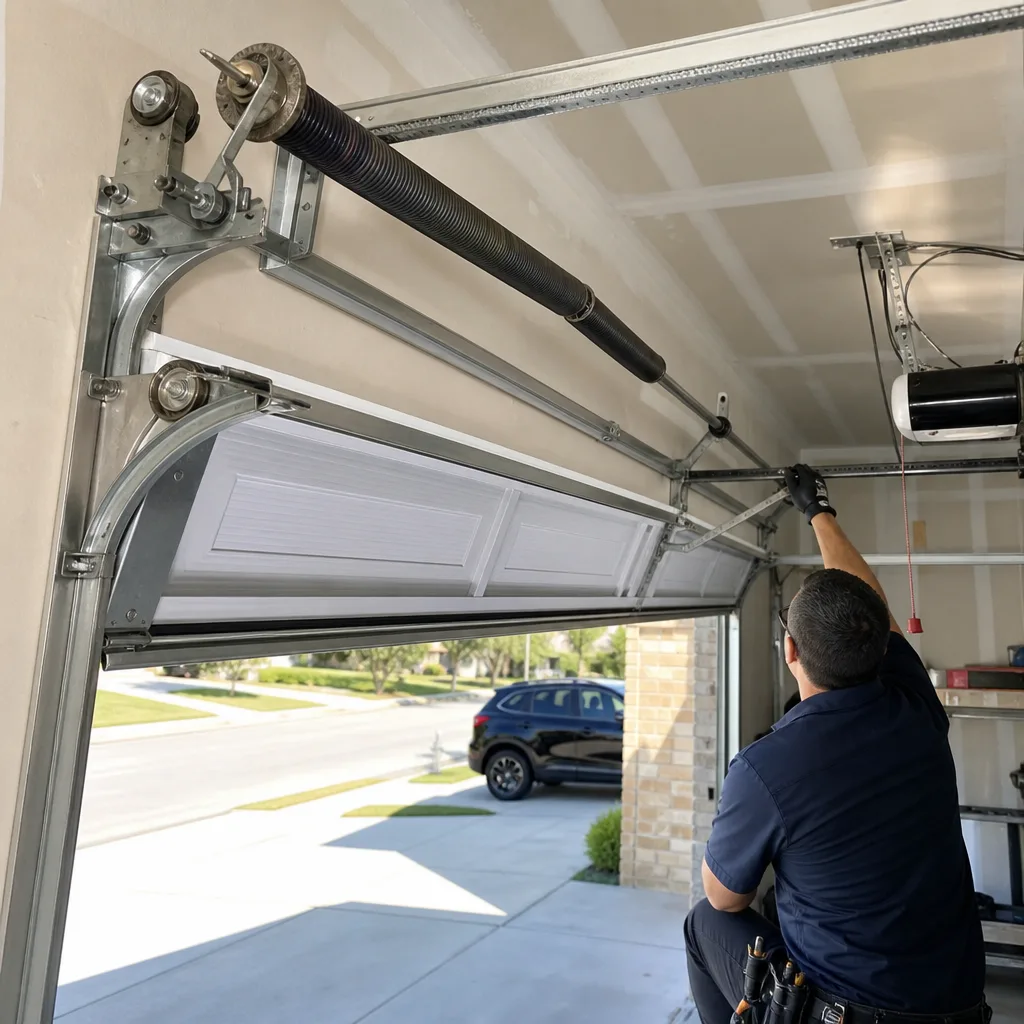 After
AfterLiftMaster Weather Seal Replacement: The Liberty Owner’s Guide
We replace LiftMaster weather seal on the bottom of your garage door for $130-$320 installed in Liberty, and we carry the seal stock on our trucks so most jobs are done the same afternoon. You’ll know yours is shot when you see daylight peeking under the door, feel a draft across the garage floor in January, or find water backing in after a hard East Texas rain. The bottom seal is a wear item, like wiper blades - it takes a beating every time the door closes on a pebble, a stick, or that one high spot in your driveway.
Most folks around Liberty notice the tear in the T-channel or the flap that’s gone hard and brittle right around the time the mosquitoes start getting into the garage at dusk. That’s the seal telling you it quit. Call us at (346) 496-4718 and we’ll match the right profile to your LiftMaster setup, quote the price before we touch it, and have it sealed up the same day.
Which LiftMaster Models This Applies To
Here’s the thing about LiftMaster weather seal - LiftMaster doesn’t make garage doors. They make openers. The seal on the bottom of your door is almost never a LiftMaster-branded part, but the door itself was likely installed or serviced alongside a LiftMaster opener, and that’s why you’re here. What you actually need is a seal that matches your door’s profile and brand, not your opener.
The bottom seal slides into an aluminum or steel retainer channel that runs the width of the door. The common profiles are T-shaped (the T slides into the channel), bead-style, and P-bulb. The T-channel comes in 3/16-inch, 1/4-inch, and 5/16-inch slot widths. If you guess wrong on that measurement, the seal either won’t slide in or falls right out the first time the door closes. We match the seal to the door manufacturer - Clopay, Amarr, Wayne Dalton, and the rest - and make sure it’s compatible with the LiftMaster opener that lifts it. A seal that drags too hard on the concrete will make the opener think something’s caught and reverse the door halfway down. That’s a compatibility gotcha most parts websites never mention.
For the seal itself, we use OEM-spec rubber when the door is still under its original track system, and quality aftermarket profiles when the OEM part is discontinued or backordered. The aftermarket ones we carry hold up just as well and cost less. We’ll tell you straight which one makes sense for your door.
Signs Your Weather Seal Is Failing
- Light under the door. If you can see daylight between the door bottom and the concrete on one side, the seal has compressed flat or torn away. That gap is big enough for water, leaves, and every bug in Liberty to walk right in.
- Water pooling after rain. In Liberty, a two-inch downpour in April will expose a dead seal in one afternoon. Water backs in where the seal has shrunk at the corners - usually the first place the rubber pulls away from the retainer.
- A draft or hot air leak. Stand near the closed door on a December morning and you’ll feel cold air washing in around your ankles. The seal isn’t making contact with the slab anymore, so your garage air is now outside air.
- Visible cracks or crumbling rubber. Run your finger along the bottom edge - if little chunks of rubber flake off, UV and ozone have hardened it past saving. This weather dries out seals faster than the manufacturer’s lifespan numbers would suggest.
- The door closes hard with a thud. A healthy seal is the cushion between a 200-pound door and the concrete. When the rubber goes, the metal retainer slams the slab and you’ll hear it clear from the kitchen.
Replacement Cost & What’s Included
Weather seal replacement in Liberty runs $130-$320 installed, depending on door width and whether we’re just sliding in a new seal or replacing the retainer channel too. A standard 16-foot door with a T-channel seal lands around $150-$200. If the aluminum retainer is bent, rusted through, or was never installed straight, the job goes toward the top of the range because we’re replacing the channel and the seal together.
That price includes the part, the labor to pull the old seal and feed the new one, and a quick check that the door closes square and the seal meets the concrete evenly all the way across. The price we quote on the phone is the price on the invoice - no “additional materials” line appears halfway through the job. Our work carries the 90-Day Done Right Promise: if the seal leaks or the door drags within ninety days, one call brings Otto back, no runaround, no second invoice.
DIY or Call Us?
Replacing a bottom seal isn’t a spring job - it won’t hurt you. But it will frustrate you. The seal has to be cut to the exact width of the retainer, lubricated to slide, and pulled through without twisting. Yank it too hard and the rubber stretches, leaving you with a wavy strip that doesn’t sit flat. Get the wrong profile - a 1/4-inch T when you needed 3/16 - and it either jams halfway in or falls out when the door goes up.
We’ve been called out more than once after a homeowner spent two hours on their back with a utility knife and a torn strip of rubber, only to discover the slot width wasn’t what the part listing said. What takes us thirty minutes can eat a whole afternoon. If you want to tackle it, measure the slot width and door width first - we’re happy to tell you over the phone whether the part you’re looking at is right, even if you decide to buy it yourself and have at it. But if you’d rather not fight with it, call (346) 496-4718 and tell me what it’s doing - I’ll tell you what it needs, no runaround. We’ll have the right seal on the truck, the old one out, and the new one in before supper.
FAQs
A rubber bottom seal in this climate typically lasts 3 to 5 years before UV exposure, humidity, and ozone harden the rubber and it starts cracking at the corners. Dirt-and-gravel driveways shorten that because the seal gets dragged over grit every time the door closes. If the door faces west and catches full afternoon sun, expect to replace it closer to the 3-year mark.
No - once rubber has cracked, torn, or hardened, there’s no glue or patch that will restore a watertight, weathertight seal for more than a few weeks. The material is extruded as one continuous profile, so a patch job just shifts the leak to the next weak spot. Replacement is the only honest fix, and it’s one of the least expensive repairs on a garage door.
Most weather seal replacements take 30 to 60 minutes from pulling the old seal to sweeping the floor after testing the door. If the retainer channel is bent and has to be replaced, plan on an hour and a half. We carry common profiles on the truck, so we don’t have to run to a supply house and burn your afternoon.
We stock the common T-channel, bead, and P-bulb profiles in the widths most Liberty doors use, plus replacement retainers for Clopay, Amarr, and Wayne Dalton doors that run with LiftMaster openers. If you’ve got an unusual profile or an odd width, we’ll know it from the measurements and have the right part in hand before we knock on the door.
Written by Otto Reinhardt, Owner, Otto’s Garage Door - Liberty, TX at Otto’s Garage Door, serving Liberty and nearby areas.