
Last updated September 10, 2026
Full 25-point door and opener safety check with every visit - springs, cables, rollers, tracks, and your LiftMaster or Chamberlain opener included
You get a price before we start. It does not change when the truck arrives.
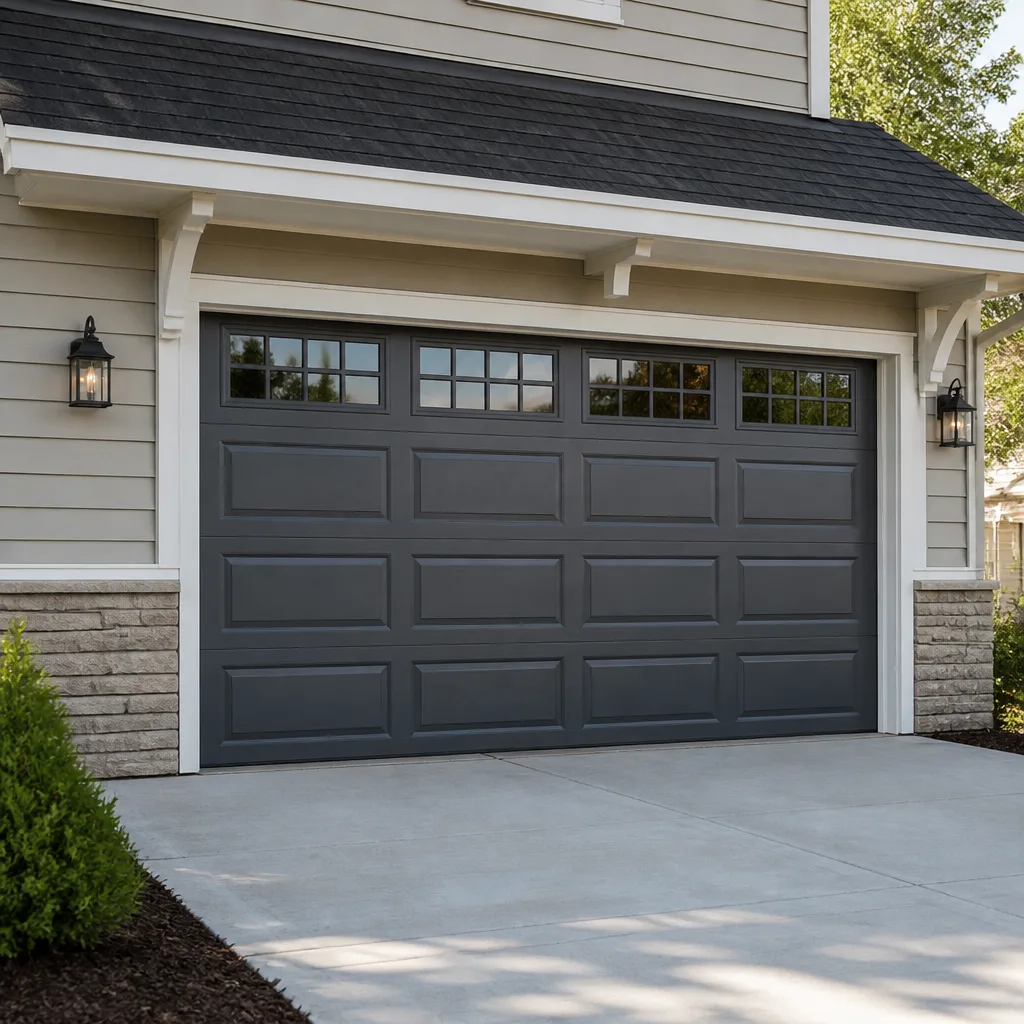
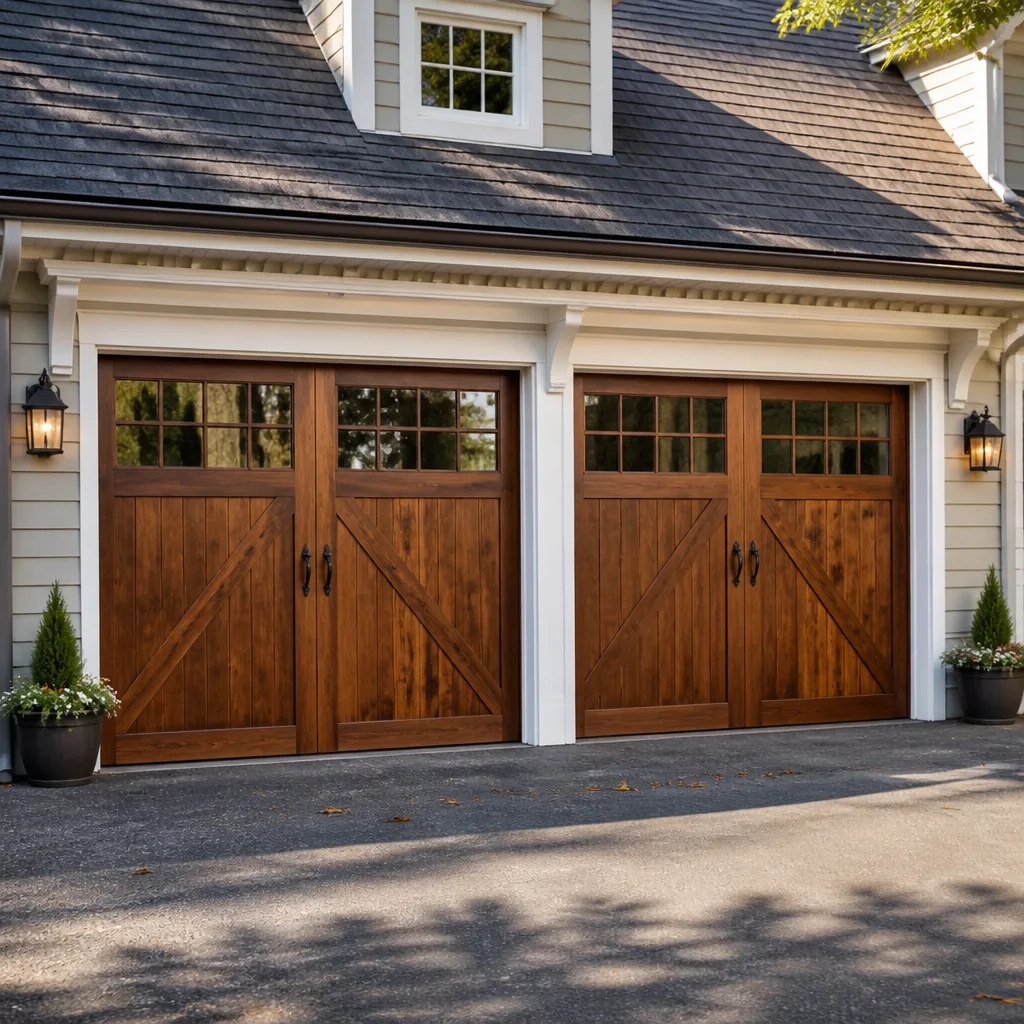
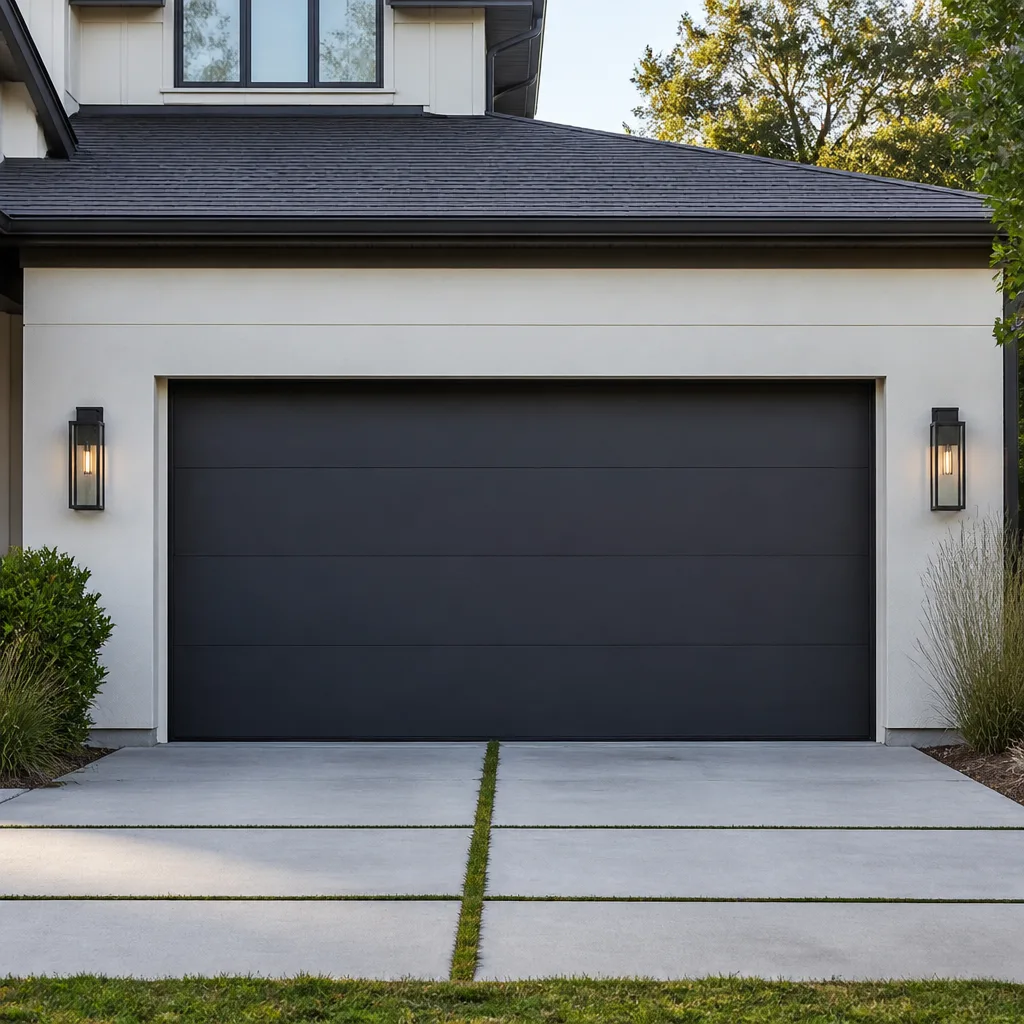
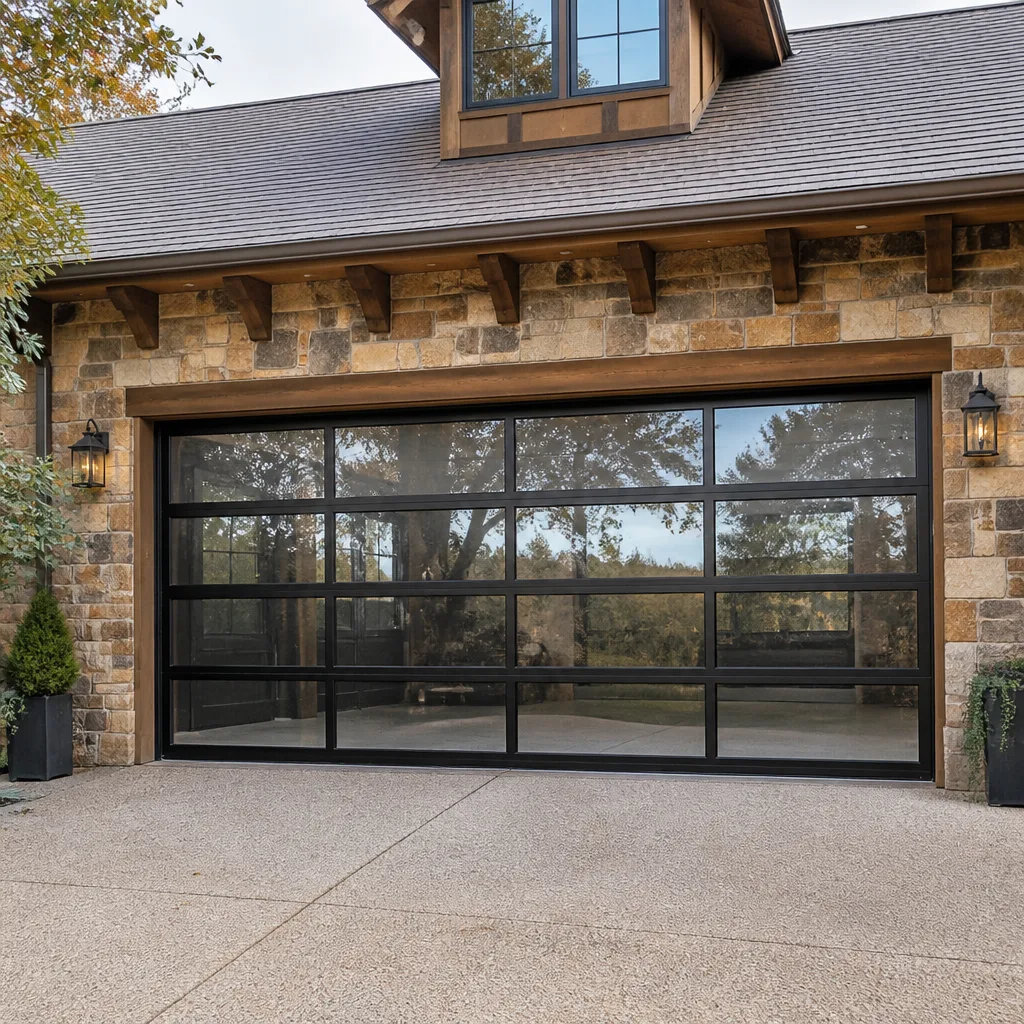
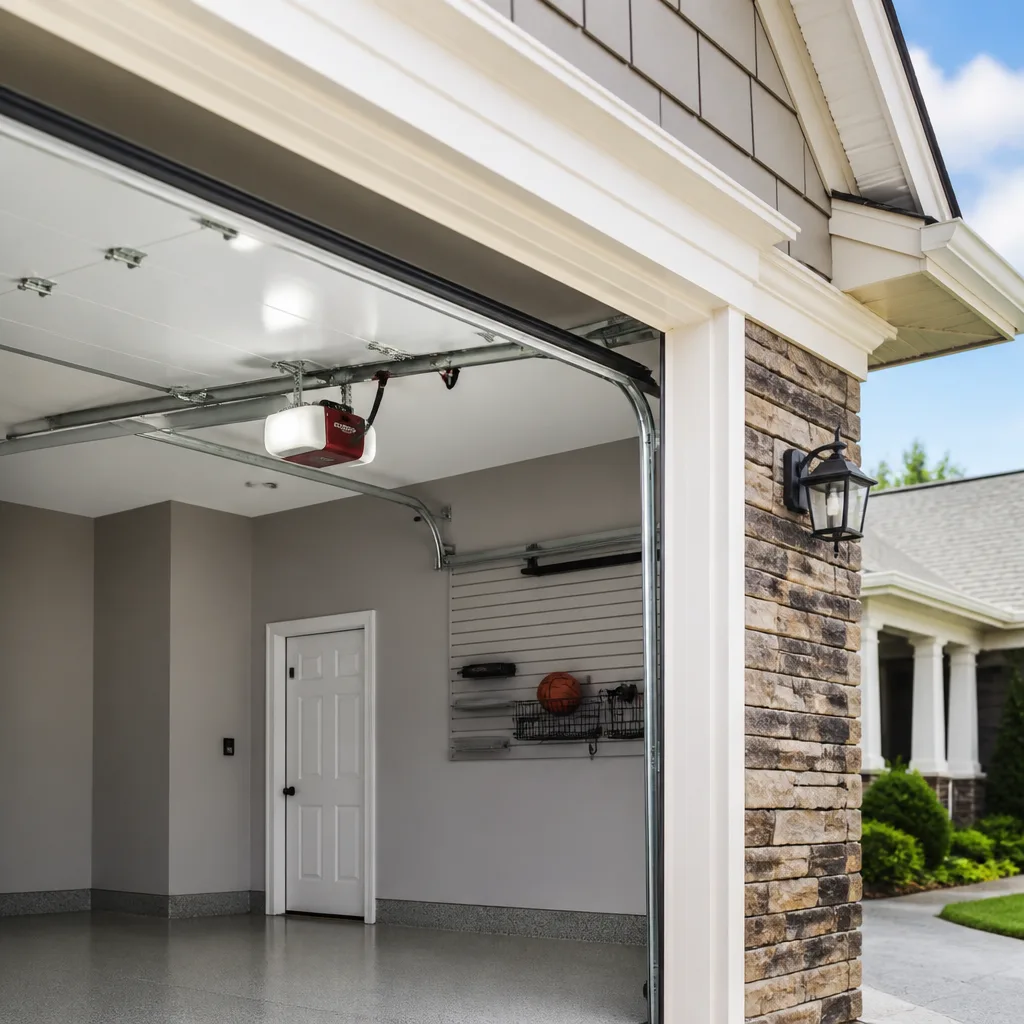
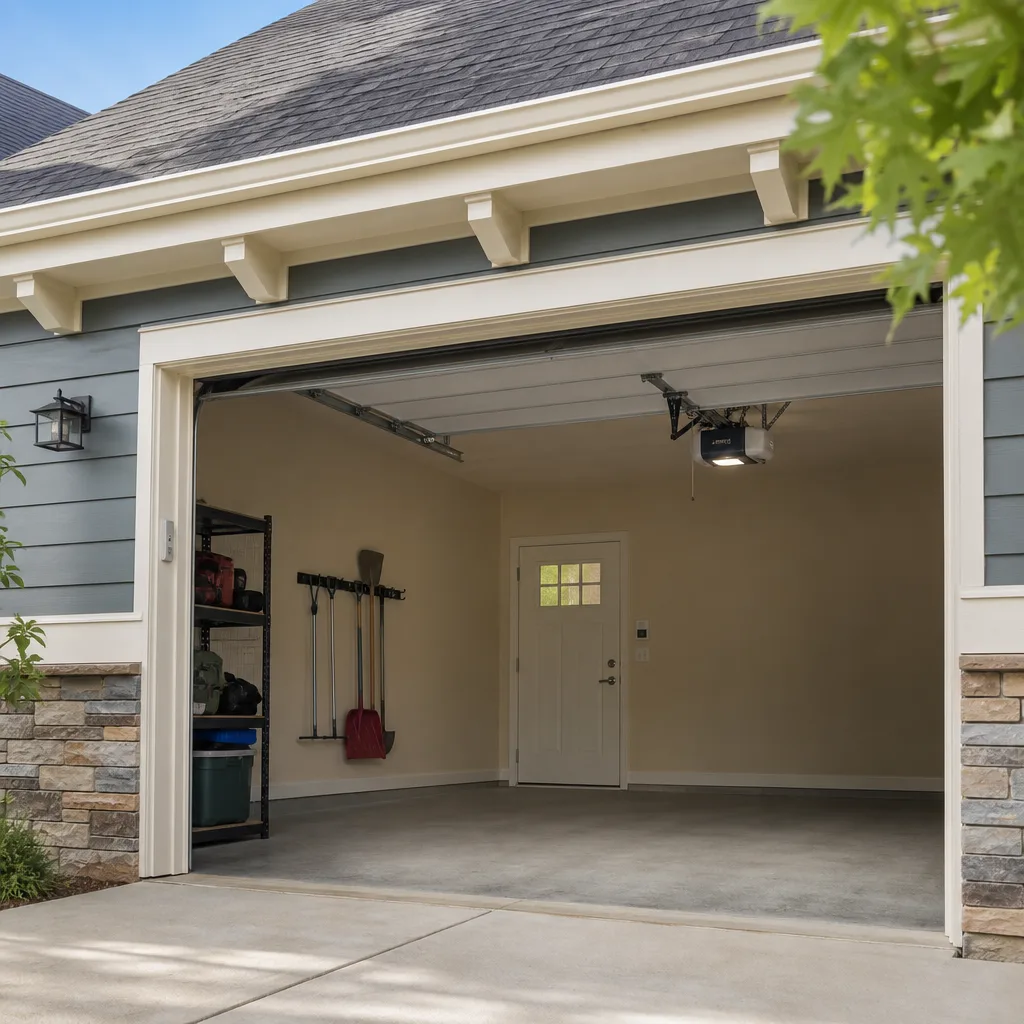
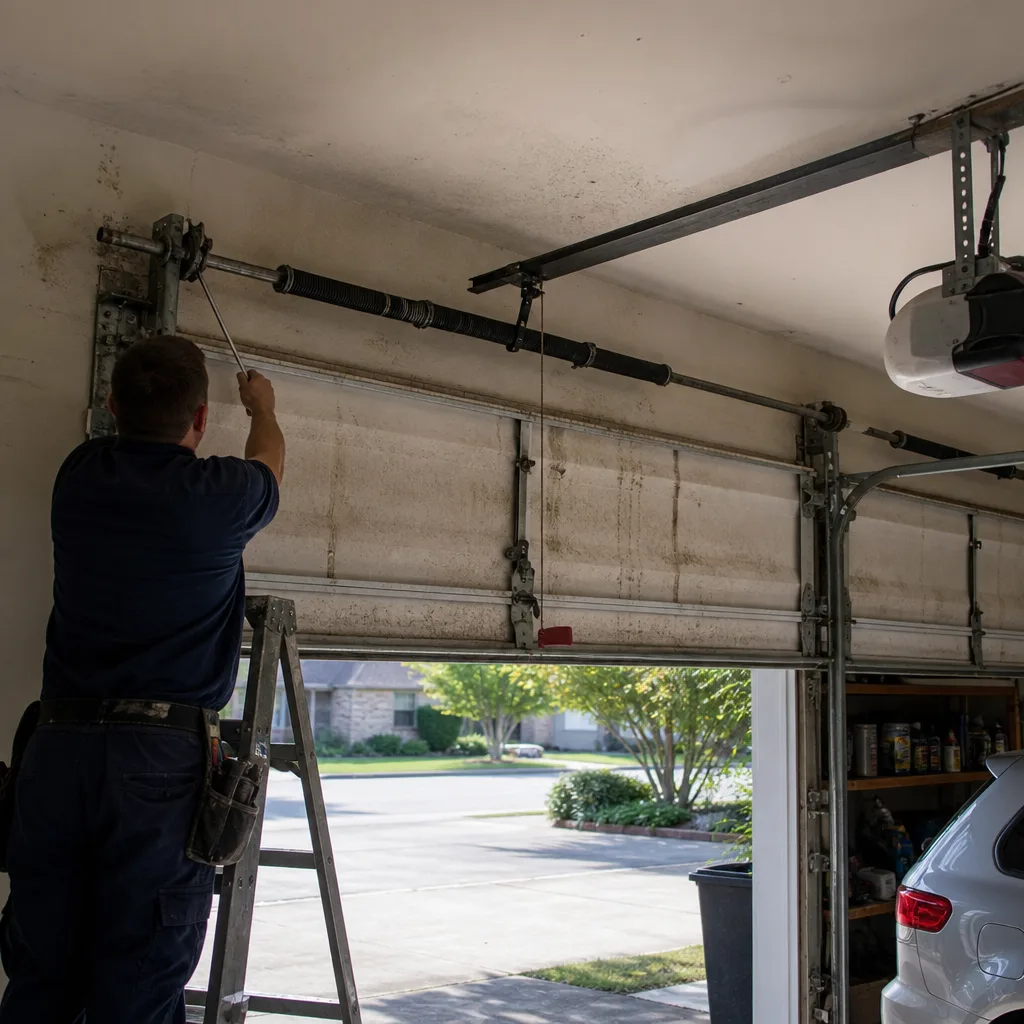 Before
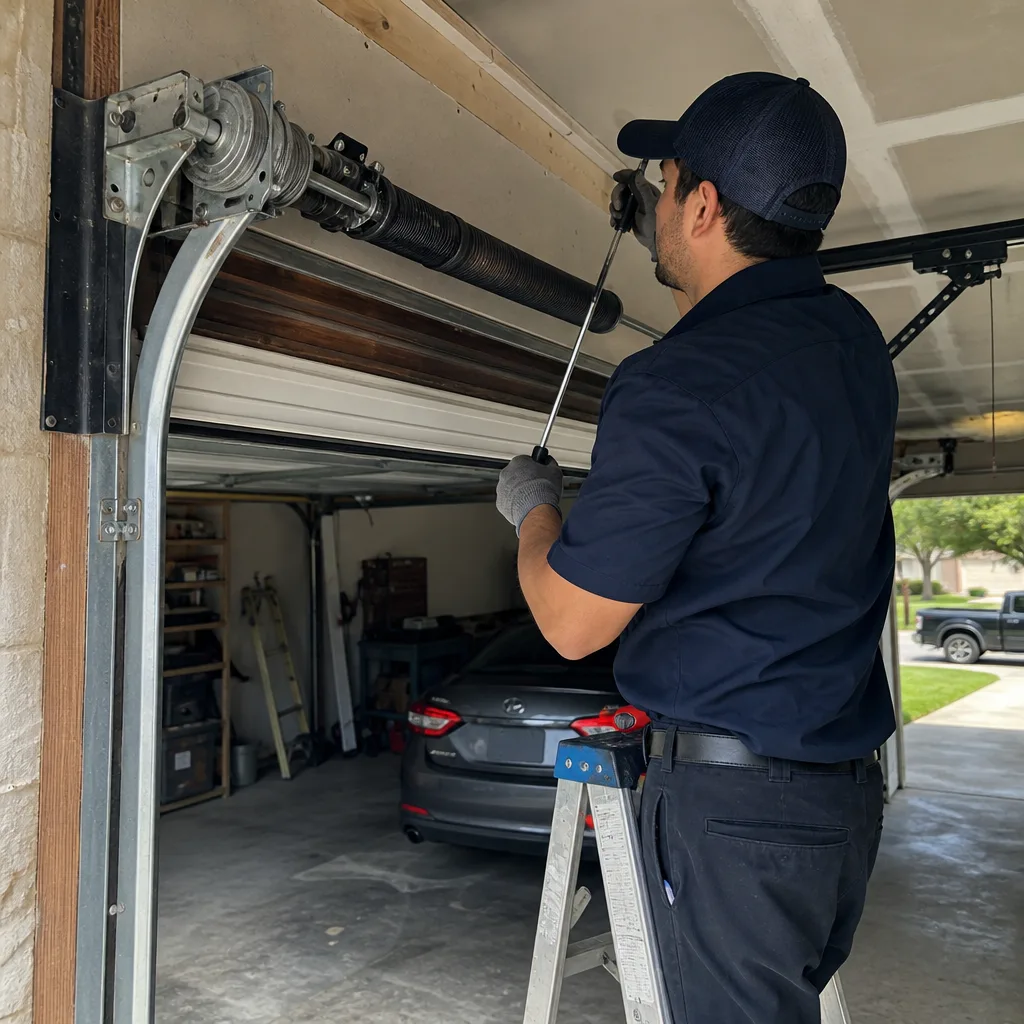 After
After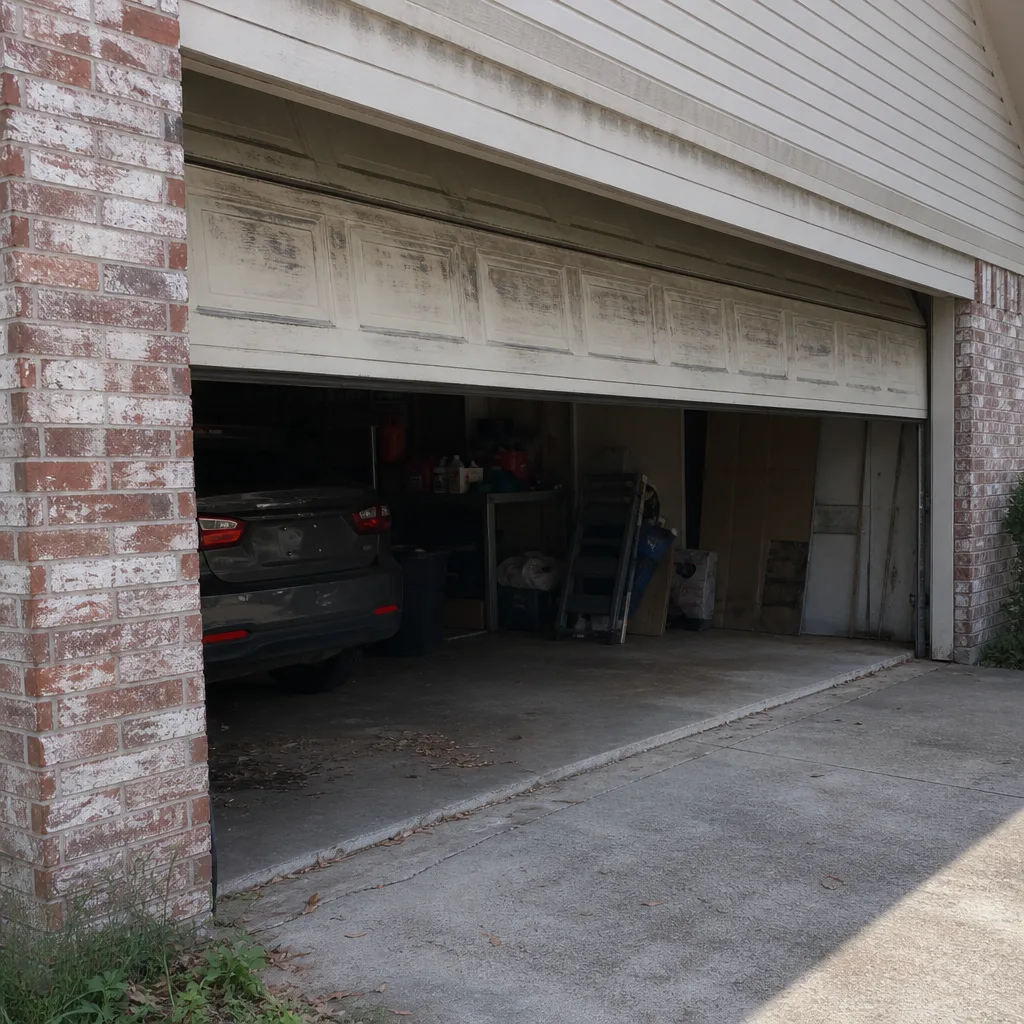 Before
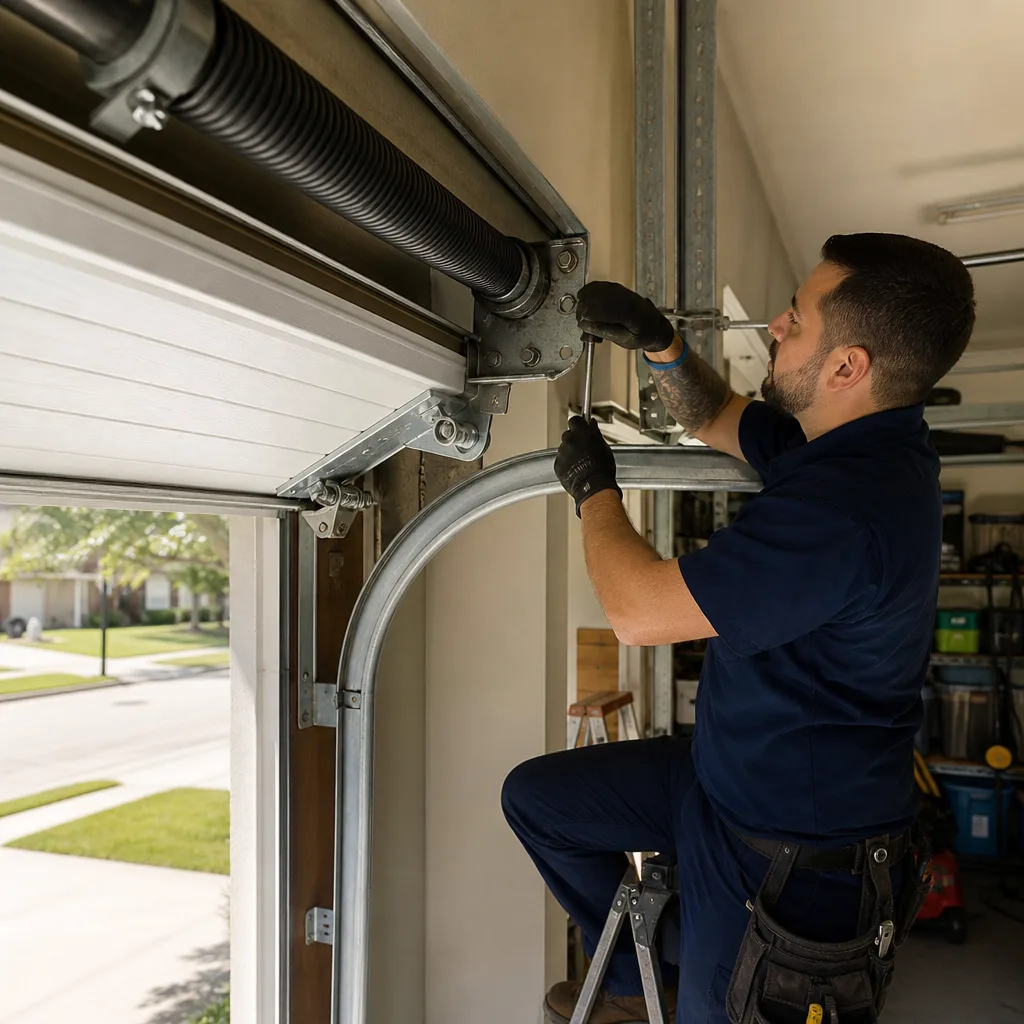 After
After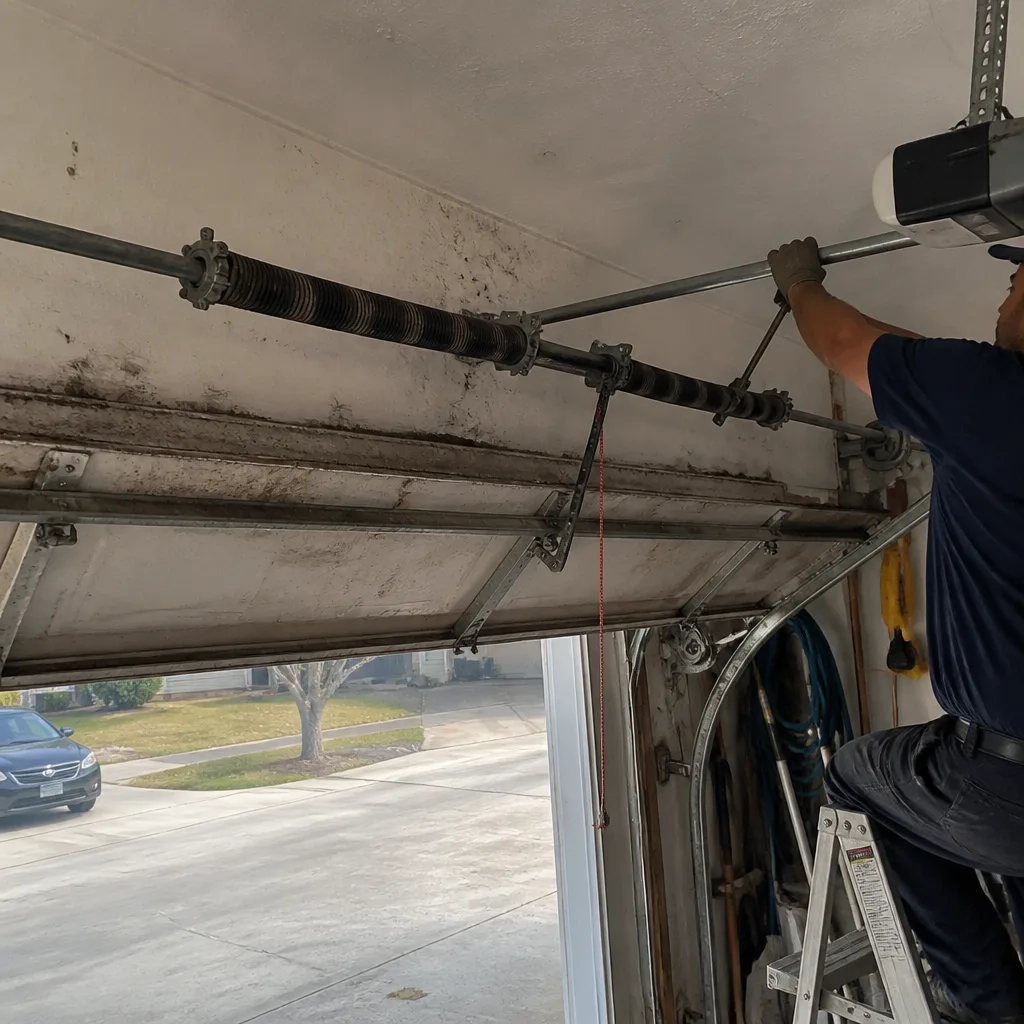 Before
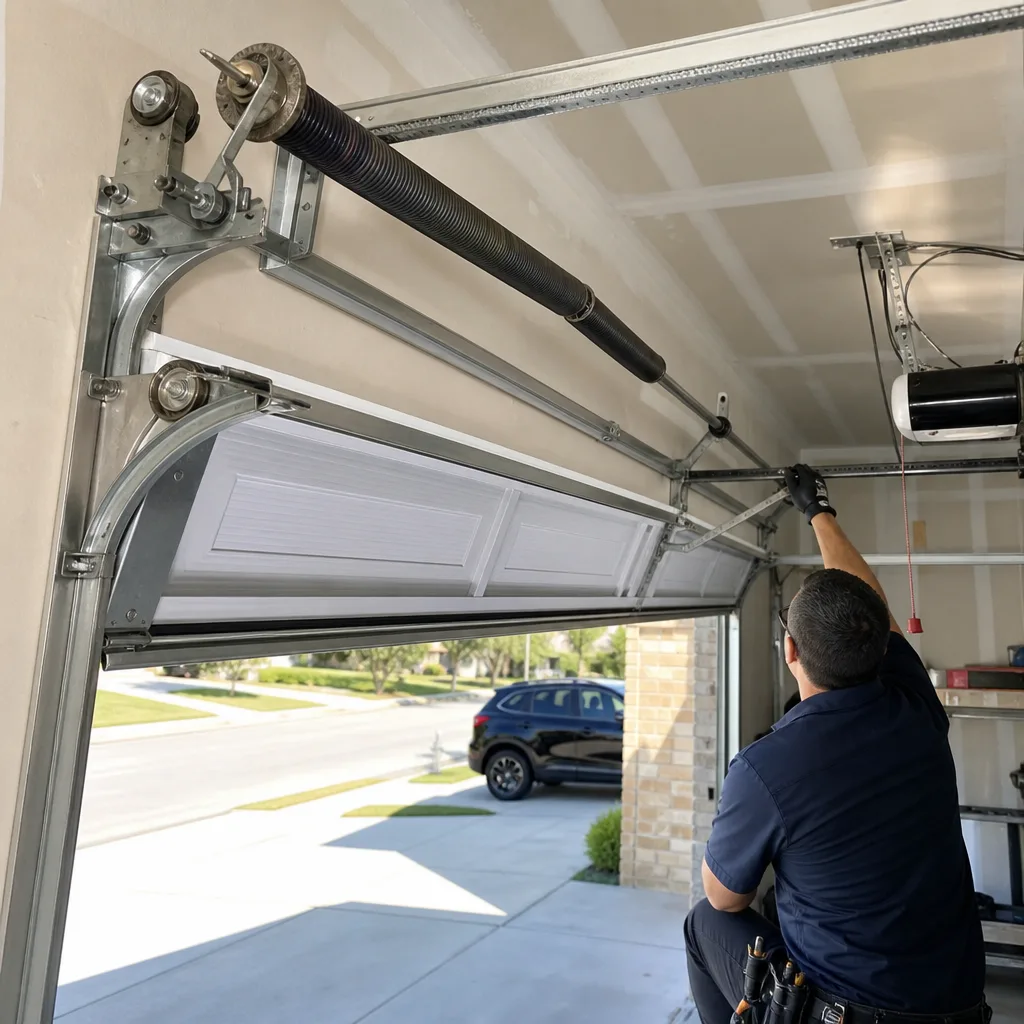 After
AfterThe Complete Guide to Garage Door in Liberty
Most garage door guides are written for a zip code that could be anywhere. Liberty sits at roughly 87% average summer humidity, higher than Dallas, higher than Austin, and that single fact changes which springs, which finish, and which opener you should buy. A door that lasts fifteen years in Abilene might start showing rust bloom and spring fatigue here in six if you spec it wrong. This guide is built for the wet-heat cycle, the caliche dust, and the way the Trinity River bottoms push moisture into your garage every single morning. We’ll walk you through materials, springs, openers, what actually breaks, what it costs, and which upsells to skip, all through the lens of what we fix here in Liberty every week.
Quick Answer
A garage door in Liberty, TX lives or dies by humidity management, spring selection, and proper balance. Homeowners here should prioritize corrosion-resistant spring coatings, weather-sealed steel or composite doors with at least 25-gauge construction, and an opener sized for a door that swells slightly in summer. The single most important maintenance item in this climate is the bottom seal and weatherstripping because Trinity-area moisture rots seals faster than inland Texas, and the seal failure quietly rusts out your tracks and lower panels. Most repairs in Liberty run $140 to $520, and a properly specified door lasts 12 to 18 years here with basic upkeep.
Table of Contents
- How the Liberty Climate Actually Affects Your Garage Door
- Springs: The Real Cost Driver in Liberty, TX
- Door Materials Ranked for Liberty’s Wet-Heat Cycle
- Installed vs. Balanced: Why It Matters for Your Opener’s Lifespan
- A Plain-Language Parts Map So You Can Describe the Problem
- What Liberty Homeowners Overpay For (and What They Underpay For Until It’s a Crisis)
- The Liberty Garage Door Maintenance Schedule That Costs Almost Nothing
- Common Mistakes to Avoid
- When to Call a Professional
- Frequently Asked Questions
How the Liberty Climate Actually Affects Your Garage Door
Liberty sits close enough to the Trinity River that morning dew settles on metal surfaces like someone sprayed them with a hose. Combine that with 87% average summer humidity and temperatures that push 95 degrees inside an uninsulated garage, and you get a specific failure pattern: surface rust on spring coils, swollen wood trim, and photo-eye sensor fogging. We also get caliche dust, that fine white limestone powder that coats everything after a dry spell. That dust works its way into roller bearings and chain drives, turning lubrication into grinding paste.
Here is what that means in practical terms. You don’t buy the cheapest torsion spring. You buy a spring with a corrosion-resistant coating, oil-tempered or powder-coated, because the uncoated economy spring that works fine in Waco shows rust pitting in Liberty within three years. You don’t skip the bottom seal. You replace it every two to three years because damp concrete slowly rots the rubber, and the gap lets in the humid air that rusts your lower panel seams. You do buy an opener with a DC motor and soft start rather than a budget AC unit because the moisture and heat cause more resistance in the track, and a weaker motor burns out faster. Liberty homeowners who size up one opener capacity level get roughly four extra years out of the unit.
We also see a mild condensation issue that most guides never mention: uninsulated steel doors in Liberty sweat on the inside face during spring and fall, when nights are cool and days are warm. The moisture beads up, runs down, and pools at the bottom panel seam. Over five years, that seam rusts from the inside. Insulated doors or doors with a thermal break don’t do this. It’s one of those details that matters more here than in Dallas.
Local Takeaways
- Spec corrosion-resistant springs, full stop. Coated torsion springs cost about $30 more per spring and add years here.
- Inspect your bottom seal every spring. A $20 seal protects a $400 panel and a $150 track.
- If you’re choosing between an AC and DC opener, go DC in Liberty. The humidity-driven extra drag kills cheap motors early.
- Consider insulated doors even if you don’t heat or cool the garage. The thermal break prevents interior condensation and rust.
For a deeper look at how our climate shapes repair patterns and costs, see our page on garage door repair in Liberty, where we detail what we fix most often, season by season.
Springs: The Real Cost Driver in Liberty, TX
A torsion spring is rated in cycles, meaning one full open-and-close. A standard economy spring is rated for 10,000 cycles, which sounds like a lot until you do the math. If you open your door four times a day, that’s about seven years. In Liberty’s humidity, an uncoated spring rarely reaches its full rating because surface rust creates stress risers, tiny weak points that crack early. We count spring cycles the way you count tire miles, and we’ll tell you what’s left on yours.
Spring replacement in Liberty typically runs $180 to $340 for a pair, including labor. That price holds whether you buy economy or upgraded springs because the labor is identical. The difference is roughly $40 to $60 in parts between a 10,000-cycle uncoated spring and a 20,000-cycle powder-coated spring, and the upgrade roughly doubles your lifespan and resists the local rust problem. If you plan to stay in the house more than four years, buy the coated spring. If you’re planning to move, you could go budget, but the home inspector will flag a rusted spring anyway, so you’ll likely pay for it either way at closing.
- Open the door halfway and let go. It should hold position. If it drifts up or slams down, the springs are worn or the door is unbalanced.
- Look at the spring coils above the door. Smooth, uniform, and dark gray or black is good. Reddish-brown flaking or uneven gaps between coils means rust or fatigue.
- Count the openings over one week. The average Liberty home goes through 25 to 30 cycles per week. That means a 10,000-cycle spring lasts roughly six and a half to seven years here, not ten.
- If you hear a loud bang like a shotgun blast from the garage, a spring snapped. Stop using the door and call us. Do not try to lift a door with a broken spring; the door weighs 150 to 300 pounds and the opener cannot, and should not, lift it alone.
One more Liberty-specific note: salt air isn’t a thing here the way it is in Galveston, but the combination of humidity and caliche dust creates a mild alkaline residue on everything. Rinsing your springs with a hose twice a year and wiping them dry takes five minutes and actually helps. Don’t oil them with WD-40. Use a white lithium grease or a silicone spray designed for garage doors, and wipe off the excess so it doesn’t collect dust.
Door Materials Ranked for Liberty’s Wet-Heat Cycle
Not every door material is equal in this climate. Here’s the honest ranking based on what we’ve repaired and replaced in Liberty since 2004.
1. Insulated Steel (Best Overall)
Insulated steel, 25-gauge or thicker, with a baked-on polyester or polyurethane finish, is the workhorse of Liberty garages. The insulation serves a structural purpose here: it prevents the cold-night-warm-day condensation that rusts uninsulated panels from the inside. It also holds up to the summer sun without significant warping. Expect 15 to 20 years from a quality insulated steel door. Brands we install regularly include Clopay and Amarr because their finish warranties hold up in coastal-plain humidity better than some budget brands.
2. Composite or Fiberglass (Good Alternative)
Composite doors, meaning wood-fiber and resin blends, handle the humidity better than real wood and resist warping and rot. They cost more upfront, often $1,800 to $3,500 installed for a double door, but they don’t require the repainting schedule of wood. Fiberglass doors are less common in Liberty but perform well. The drawback is impact resistance; a kid on a bike makes a ding that’s harder to repair than on steel.
3. Aluminum (Situational)
Aluminum is light, won’t rust, and resists corrosion well in humid climates, which makes it a reasonable choice for a detached garage or carport door. The problem is strength. Aluminum dents easily, and in a county with occasional hailstorms and falling tree limbs, that’s a real risk. If you go aluminum, get a heavier gauge and full-view glass panels that can be replaced individually.
4. Wood (Beautiful, High Maintenance)
Solid wood doors are gorgeous and period-correct for many older Liberty homes, but they are a serious commitment. The summer wet-dry cycle causes boards to swell and shrink every year, which means repainting or resealing every two to three years. Unsealed wood absorbs moisture, gains weight, and strains the springs and opener. If you love the look, go wood composite rather than solid wood, or budget for annual maintenance. We install wood doors and we tell every customer the same thing: understand the upkeep before you pay for the look.
5. Uninsulated Single-Layer Steel (Budget Only)
Single-layer steel is the cheapest door you can buy, and in Liberty it’s false economy. It dents easily, conducts heat into the garage, and condenses moisture on the inside face. We replace these doors more often than any other type, usually within eight to ten years, because rust gets into the seams and the panel integrity fails. If the budget only allows this, plan to upgrade within a decade.
| Door Material | Typical Installed Price Range (Double Door) | Lifespan in Liberty | Maintenance Level |
|---|---|---|---|
| Insulated Steel | $1,200 – $2,600 | 15 – 20 years | Low |
| Composite / Wood-Fiber | $1,800 – $3,500 | 15 – 18 years | Low to moderate |
| Aluminum (Full-View) | $1,500 – $3,200 | 12 – 15 years | Moderate |
| Solid Wood | $2,200 – $4,500+ | 20+ years with diligent care | High, annual |
| Single-Layer Steel | $700 – $1,300 | 8 – 10 years | Low but short lifespan |
If you’re planning a full replacement, our garage door installation page for Liberty walks through the on-site measurement process and what a written quote includes, so you know the number before the truck arrives and it doesn’t change when we get there.
Installed vs. Balanced: Why It Matters for Your Opener’s Lifespan
There is a difference between a door that’s hanging in the opening and a door that’s balanced for your opening. Most homeowners never learn the distinction until an opener burns out and someone has to explain why a three-year-old motor died. Here is the plain version: a balanced door has springs under exactly the right tension so the door’s full weight feels like about eight to ten pounds when you open it by hand. An installed-but-unbalanced door might open and close fine for a while, but the opener is quietly doing the work the springs should be doing.
We’ve seen this exact pattern in Liberty dozens of times. A homeowner buys a new door, the lowest bidder hangs it, the opener strains for two years, and then the logic board or the gear and sprocket assembly fails. The repair costs $180 to $300, and the homeowner blames the opener. The opener wasn’t the problem. The balance was. If the opener is straining, the problem is almost never the opener.
Here’s how to check your own door’s balance right now:
- Close the door and pull the red emergency release cord on the opener. This disconnects the door from the motor.
- Lift the door manually to about waist height and let go.
- A balanced door stays put or moves very slowly. An unbalanced door drifts down or wants to fly up.
- Try again at three heights: knee, waist, and shoulder. The door should hold at all three.
- If it moves on its own in either direction, call a professional. Springs hold dangerous tension, and adjusting them without the right winding bars and technique can cause serious injury.
A properly balanced door means your opener does less work on every cycle. Less work means less heat, less wear, and in Liberty’s hot climate, a motor that isn’t already fighting the heat is a motor that lasts. We set balance on every installation and every spring replacement. It’s not an upsell. It’s the difference between an opener that lasts seven years and one that lasts two.
A Plain-Language Parts Map So You Can Describe the Problem
When you call a garage door company, you shouldn’t have to say “the thing that goes up.” Here’s the twelve-word vocabulary that lets you describe the actual problem. Knowing these terms saves you time on the phone and helps you understand what any technician tells you.
- Panels: The horizontal sections that make up the door face. Liberty homeowners most often dent the bottom panel with a car bumper or a mower.
- Springs: The coiled metal that does the heavy lifting. Torsion springs are above the door, mounted on a bar. Extension springs run along the horizontal track edges on both sides.
- Rollers: The little wheels on the door edges that ride inside the track. Worn rollers sound like a dragging, rumbling noise and wear out tracks.
- Hinges: The metal brackets between panels that let the door bend around the curve. The hinge at the bottom panel edge takes the most abuse.
- Track: The vertical and horizontal steel channel the rollers ride in. Bent track means the door might jerk or stick at a specific point in the opening cycle.
- Opener: The motor unit on the garage ceiling, plus the rail and the trolley that pulls the door. When people say “the opener is broken,” they often mean the remote, the safety sensors, or the wall button, so we ask follow-up questions.
- Safety Sensors: The two small units near the floor on both sides of the door, with small LED lights. If the door won’t close but the motor runs, these are misaligned or blocked. This is the most common service call in Liberty after spring failure.
- Bottom Seal: The rubber or vinyl strip along the bottom edge of the door. In Liberty, this seals out rainwater, humidity, dirt, and the occasional snake or mouse.
- Weatherstripping: The flexible rubber flaps on the sides and top of the door frame. Rotted weatherstripping means air and moisture move freely into the garage.
- Jamb Brackets: The steel brackets that hold the track to the wall. Loose jamb brackets make the whole system rattle and shake.
- Drum: The grooved spool at each end of the torsion bar that the lifting cables wrap around. A broken drum means the cable slips and the door falls crooked.
- Cables: The braided steel lines running from the bottom corners of the door up to the drums. Cables under tension, always. Never touch a damaged cable yourself; if one snaps, the cable swings with enough force to cause serious injury.
Learn these twelve terms and you’ll never be sold a part you don’t need. You’ll also be able to say “the bottom panel is dented and the door sticks at the halfway point,” which tells us enough to bring the right parts the first time. When you call Otto’s Garage Door at (346) 496-4718, the person answering the phone works in Liberty, often Otto himself, and quoting a job on that first call is standard practice for us.
What Liberty Homeowners Overpay For (and What They Underpay For Until It’s a Crisis)
After two decades of handing out estimates in Liberty, I can tell you exactly where local money gets wasted and where it gets saved by accident. The pattern is consistent.
What you’re overpaying for: decorative hardware. Decorative strap hinges and clavos, the handle sets and fake handles, decorative windows that don’t open, and premium paint-grade finishes on a garage-facing door. These are aesthetic upgrades that cost $200 to $800 and add zero structural value or lifespan. If you’re about to sell the house, the new owner won’t pay a dollar more for fancy hinges. We install decorative hardware when a customer wants it, and we always tell them what it costs and what it doesn’t do. That’s the L.O.C.A.L. value code in practice.
Another overpay: opener battery backup systems on a garage that isn’t detached and has no living space above it. Battery backup adds about $100 and is genuinely useful if you live on a road where power outages happen often, but for most Liberty homes inside the city limits, the outage frequency doesn’t justify the cost unless you rely on a medical device and the garage is your only route out. We’ll give you a straight answer either way.
What you’re underpaying for: bottom seal and weatherstripping. This is a $40 to $100 replacement that gets ignored until the lower panel rusts, the track corrodes, or a summer storm blows water under the door. In Liberty, the bottom seal should be replaced every two to three years, not when it visibly falls apart. By the time it’s visibly cracked and crumbled, the damage underneath has been underway for months. We would rather replace your seal twice a decade at $60 a visit than replace a rusted bottom panel for $500 in five years, and we’ll tell you the same when we inspect.
Also underpaid for: spring upgrades. As we covered earlier, the cost difference between a 10,000-cycle spring and a 20,000-cycle coated spring is about $40 per spring. Over a decade, that’s the cheapest longevity purchase you can make on this house. Liberty’s humidity eats uncoated springs. This isn’t sales pressure; it’s math.
The Liberty Garage Door Maintenance Schedule That Costs Almost Nothing
Most homeowners never touch their garage door until it stops working. Here’s the schedule we recommend for a Liberty door, built for this climate’s wet-heat cycle. Total annual cost: about $30 and an hour of your time.
Every Three Months
- Wipe down the safety sensors with a dry cloth. Caliche dust plus morning fog equals a dirty lens, and a dirty lens equals a door that won’t close.
- Listen to the door. A smooth, even sound is good. Grinding, popping, or a heavy dragging noise means something is wearing. Catch it before it fails.
- Look at the cables. If you see fraying or individual broken strands, stop using the door and call us. Don’t touch the cables.
Every Six Months
- Spray the springs, hinges, and rollers with white lithium grease or a silicone garage-door lubricant. Wipe off excess so it doesn’t collect dust. Do this in spring and fall.
- Wash the door panels with a mild soap-and-water solution and rinse. This removes caliche dust and pollen that hold moisture against the finish. For steel doors, a coat of automotive wax once a year adds real protection.
- Check the weatherstripping and bottom seal. Press your fingers against the rubber; it should feel flexible and spring back. Hard, cracked, or flattened rubber means replacement time.
- Run the auto-reverse safety test. Place a roll of paper towels in the door’s path and close the door. If it doesn’t reverse immediately, the opener needs attention.
Once a Year
- Check the balance using the manual release method from the earlier section.
- Tighten the bolts on the track brackets, hinges, and opener rail. Vibration loosens everything over time.
- Test the opener’s manual release. In an emergency, you should be able to open the door by hand. The red cord should pull easily and the door should lift without excessive weight.
- Consider a professional inspection. We do free on-site estimates in Liberty, so the inspection costs you nothing. Otto or one of our crew will walk the whole door, check spring cycles, test the balance, and give you a written number for anything worth doing. You get all the information, and you decide.
If you’re not sure whether your opener is the problem or the door itself is, our garage door opener in Liberty page has a troubleshooting section that walks you through the common failure modes by symptom.
Common Mistakes to Avoid
- Buying the cheapest spring you’re offered. In Liberty’s humidity, an uncoated 10,000-cycle spring is a false economy. You’ll pay for it again in six or seven years, plus the labor cost. Upgrade to a coated 20,000-cycle spring for about $40 more per spring.
- Skipping the bottom seal replacement. We covered this already, but it bears repeating: a $60 seal replacement every two to three years prevents a $500 rusted panel and a $150 track repair. The Trinity-adjacent moisture doesn’t forgive neglect.
- Lubricating with WD-40. WD-40 is a solvent, not a lubricant. It cleans briefly, then dries and leaves the metal vulnerable. Use white lithium grease or a silicone garage-door spray, and wipe off the excess.
- Paying for decorative hardware you don’t need. Fake hinges, clavos, and non-functional windows add zero lifespan and only matter if you personally love the look. If you love it, buy it. If you’re doing it because a salesperson suggested it, skip it.
- Ignoring a noisy opener. Grinding, clunking, or straining sounds are not normal. Every week of ignoring a misaligned or unbalanced door takes measurable life off the opener. The fix is usually $120 to $200 today, versus a $250 opener replacement in six months.
- Trying to DIY a spring replacement. A door is 200 pounds riding on two springs. Respect it. The springs hold enough tension to break bone or worse. This is the one repair we tell every Liberty homeowner to never attempt themselves, for their own safety. We’ve had customers who decided to save money on a wrench and a YouTube video, and the results are not worth the hundred dollars saved.
- Buying an uninsulated steel door to save $400. Single-layer steel in Liberty rusts from internal condensation, dents like a soda can, and fails years earlier than an insulated door. The money you save comes back out of your pocket in eight years.
When to Call a Professional
Some garage door work is safe and sensible to do yourself: lubrication, sensor cleaning, weatherstripping replacement, balance testing, and panel washing are all homeowner-level tasks. Other work requires training and specific tools, and attempting it without those can put you in the hospital. Call a professional for broken or worn springs, frayed cables, a bent track, a door that has come off its rollers, or any repair that involves lifting cables or winding torsion springs. Those components are under extreme tension, and the failure mode is sudden and violent. Call a professional for opener electrical problems, because mixing unknown wiring with a 120-volt circuit is not worth the risk.
If you’re in Liberty or the surrounding county, Otto’s Garage Door offers free estimates. Call (346) 496-4718, describe the symptom in plain language, and we’ll quote the job on that call. The price we give on the phone is the price you see on the invoice because quoting a number and holding it is the only way we’ve ever done business. That number is agreed in writing before any work starts.
Frequently Asked Questions
Most Liberty garage door repairs run $140 to $520. Minor items like sensor realignment or a bottom seal replacement fall at the low end, a single spring replacement typically lands between $180 and $280, and a full spring pair with balance adjustment runs $220 to $340. A complete panel replacement starts around $350 and goes up depending on door size and finish. Call (346) 496-4718 for a written quote, free of charge, with no trip fee inside the county.
A standard 10,000-cycle spring in Liberty lasts about six to seven years at typical usage, while a coated 20,000-cycle spring lasts twelve to fourteen years. The humidity and caliche residue reduce uncoated spring lifespan by 20 to 30 percent compared to inland Texas. We recommend the coated spring for any home you plan to keep more than four years. Call us at (346) 496-4718 and we’ll tell you exactly what your current springs have left in them.
Yes. A live person answers our phone 24/7, including nine at night when a spring lets go and your vehicle is sealed inside. Otto quotes the job on that call and holds the number when he gets there. The $40 off any repair over $200 offer applies even when it’s an emergency, and there is no trip charge inside the county. Call (346) 496-4718 and you’ll speak to a human, not a recording.
No. The price we quote on the phone is the price on the invoice. Otto’s policy is upfront pricing, quoted before the visit and never revised upward at the door. The only exception is if you request additional work beyond what was quoted, which we discuss and get your approval on before doing. This is written into our 90-Day Done Right Promise, and it’s backed by one call to the owner himself.
Yes. Our service vehicles carry the common parts for most Liberty-area doors: torsion and extension springs in multiple sizes, bottom seals, weatherstripping, rollers, hinges, cables, photo-eye sensors, and a range of opener remotes and components. For unusual door sizes or specialty finishes, we may need to order a panel or a custom part, but 90 percent of repairs are completed on the first visit. The initial quote includes parts and labor, so there are no surprises.
For this specific humidity-and-dust environment, we recommend insulated steel doors from Clopay, Amarr, or Raynor because their finish systems and thermal breaks handle the Liberty wet-heat cycle well. For openers, LiftMaster and Chamberlain DC-motor units have proven reliable in our climate, and Genie makes a solid wall-mount option for garages with limited ceiling space. We install and service all major brands, so if you have an existing brand you trust, we’ll work with it. Call (346) 496-4718 for a brand-specific recommendation suited to your garage’s orientation and exposure.
The Bottom Line
Your garage door in Liberty, TX is not the same machine as a garage door in Fort Worth or Tyler. The Trinity-bottom humidity, the caliche dust, and the summer wet-heat cycle mean that spring coatings, seal quality, and door insulation are not optional upgrades here; they’re the difference between a fifteen-year door and an eight-year door. Buy coated springs, check your bottom seal twice a year, spec an insulated door if you’re replacing, and spend the ten minutes it takes to test your balance. The maintenance schedule in this guide costs about $30 a year and an hour of your time per quarter, and it prevents the expensive failures. For more guides & resources tailored to Texas homeowners, explore our blog. When something does go wrong, call (346) 496-4718. A live person picks up, quotes the job on that call, and holds that number from the phone to the driveway. That’s how we’ve done it in Liberty since 2004.
Written by Otto Reinhardt, Owner at Otto’s Garage Door, serving Liberty since 2004.