
Last updated September 10, 2026
Full 25-point door and opener safety check with every visit - springs, cables, rollers, tracks, and your LiftMaster or Chamberlain opener included
You get a price before we start. It does not change when the truck arrives.
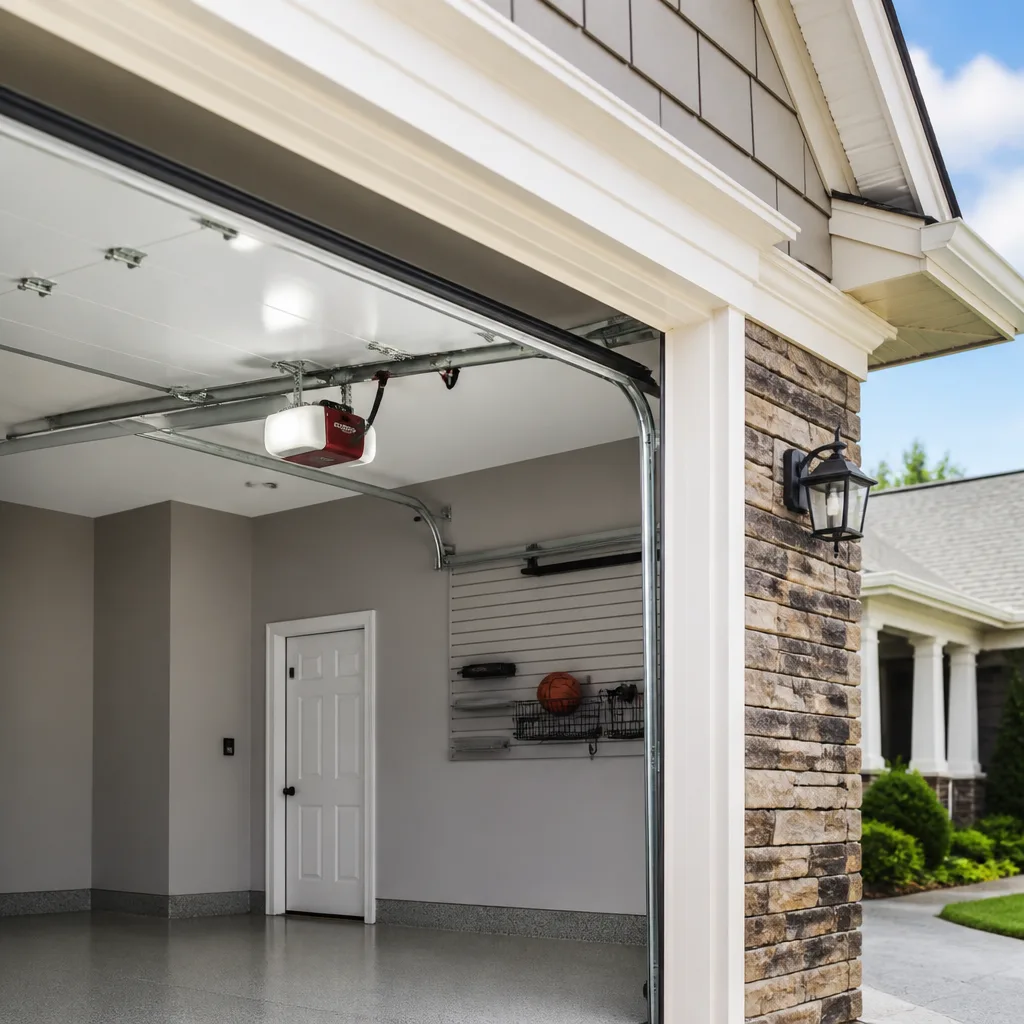
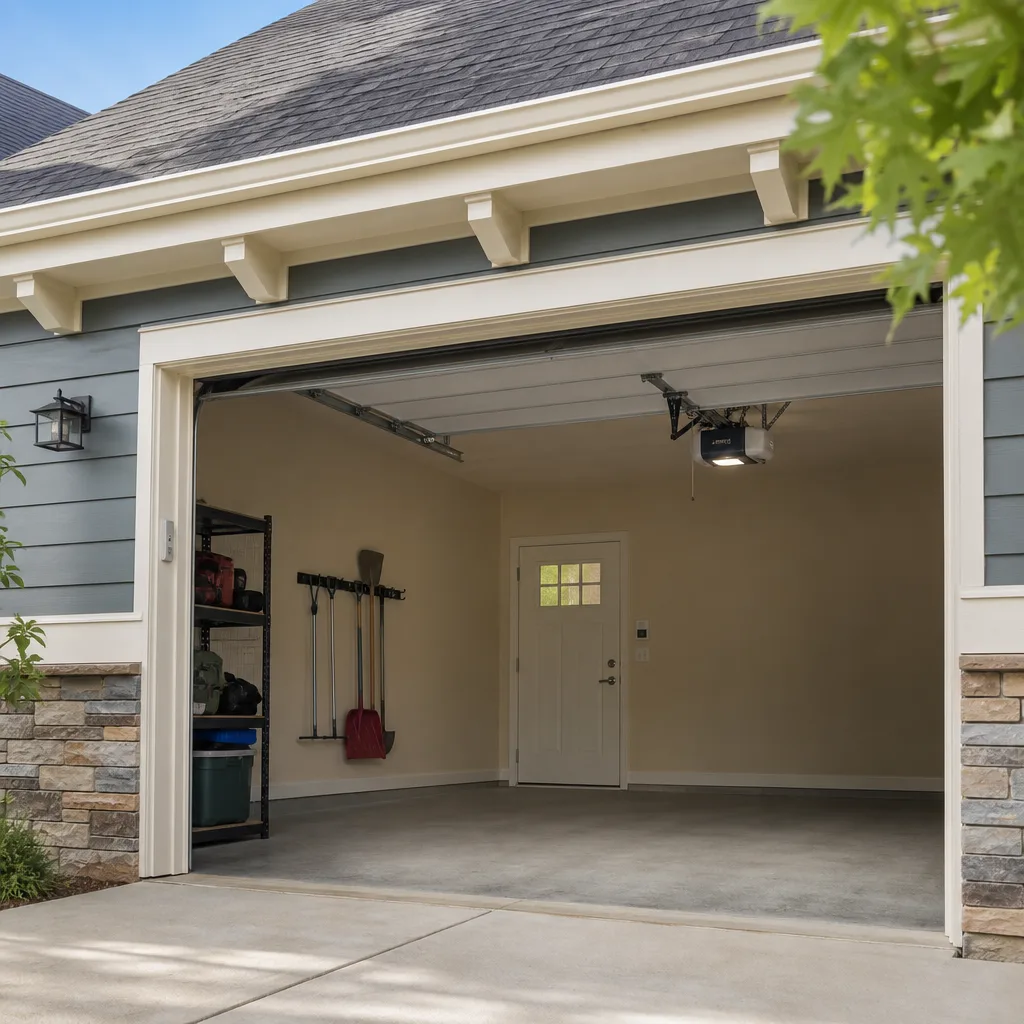
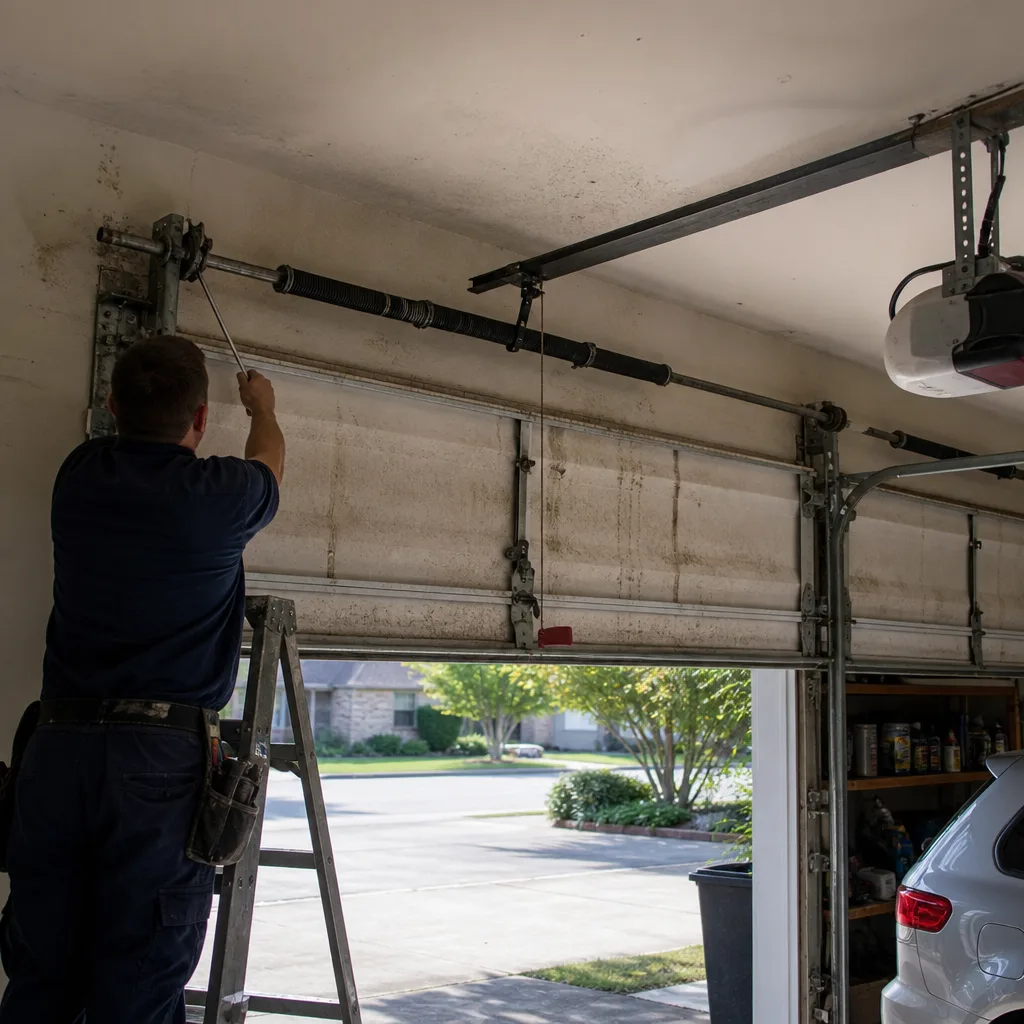 Before
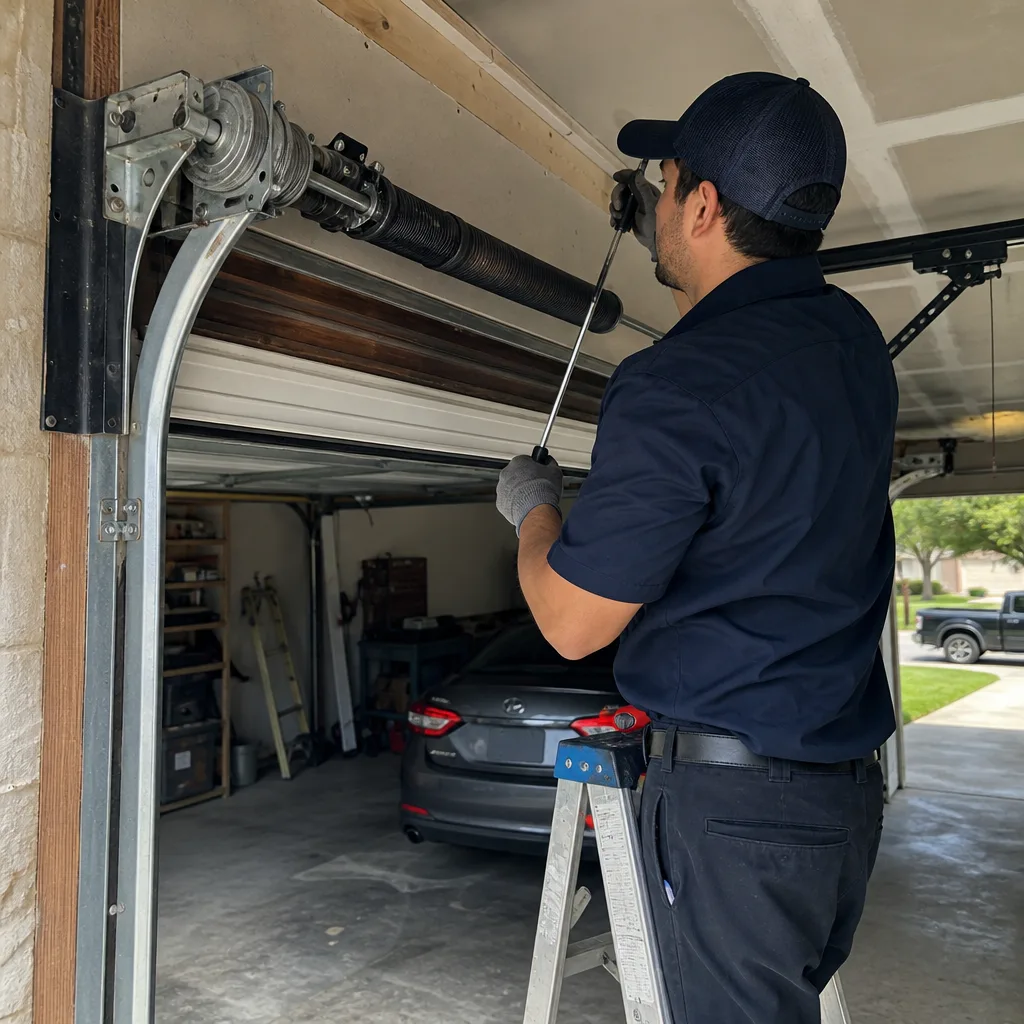 After
After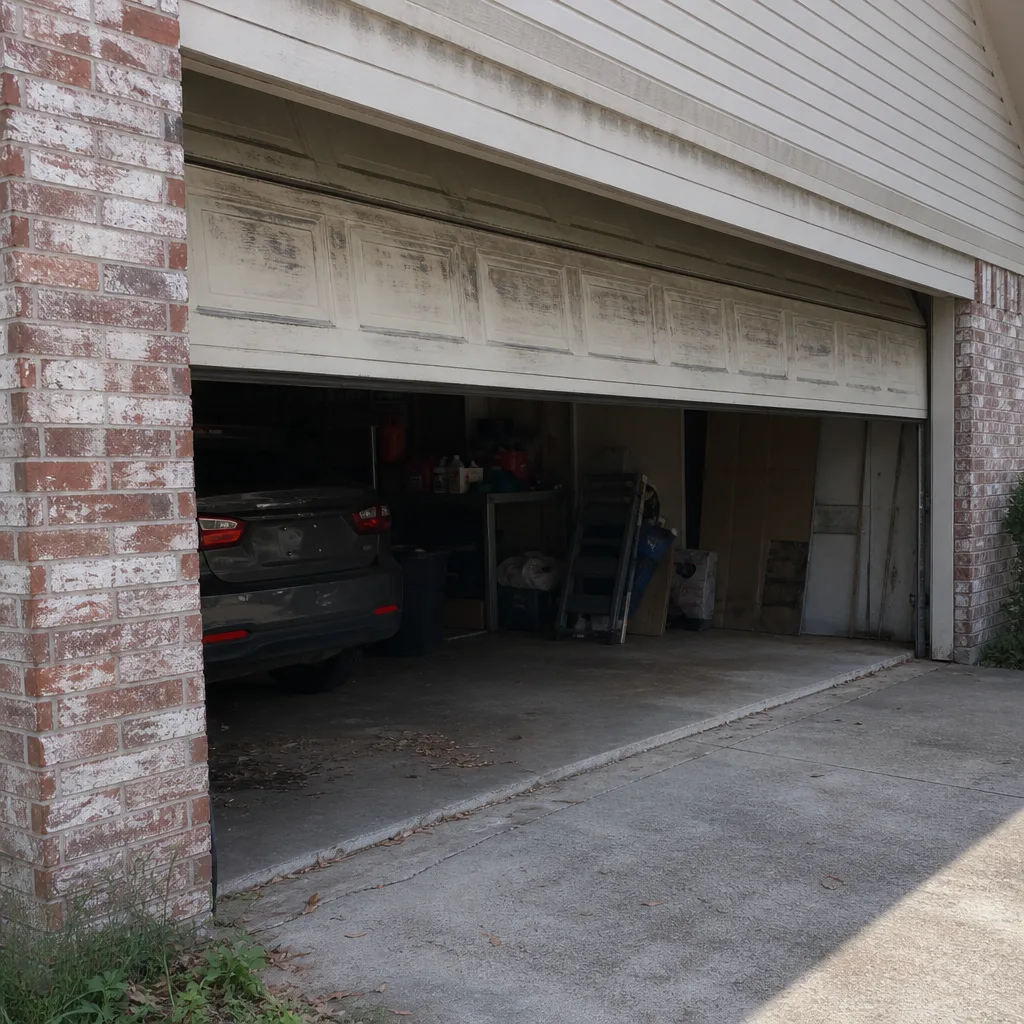 Before
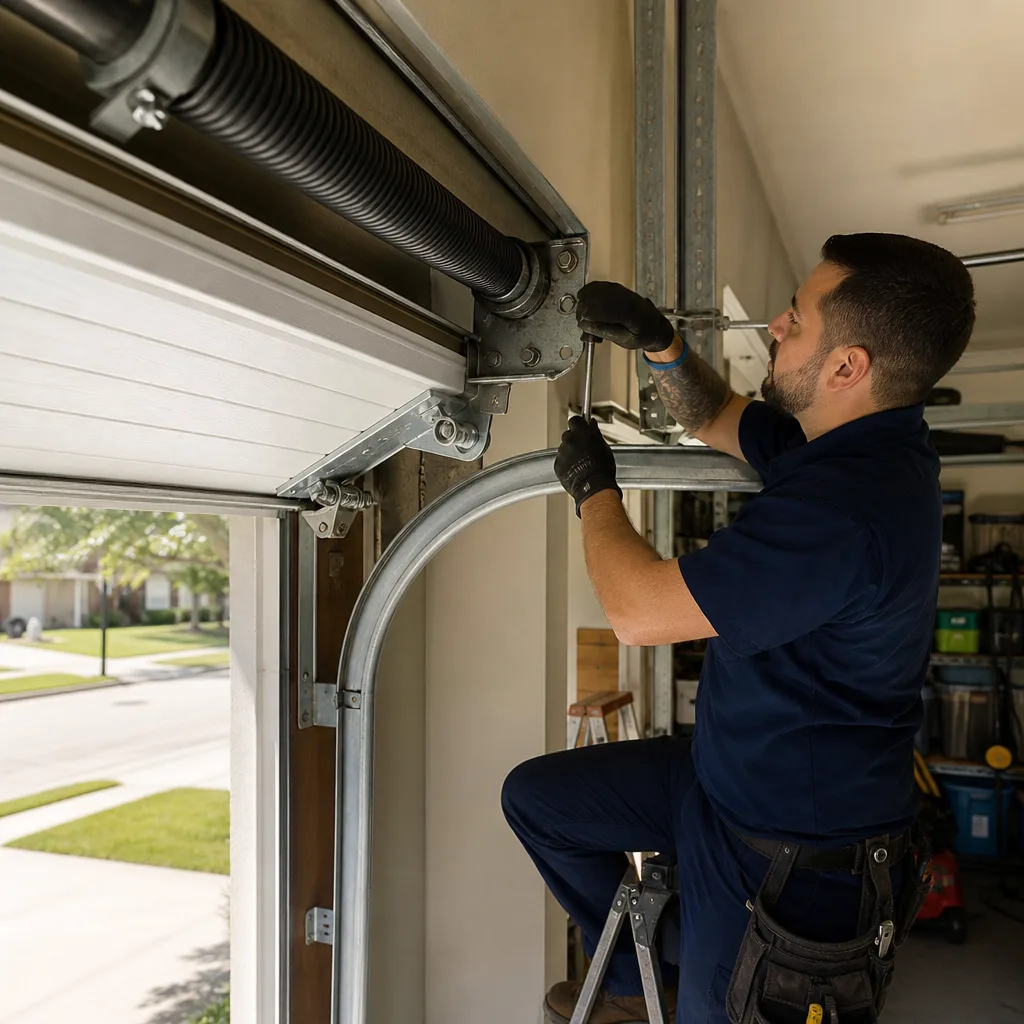 After
After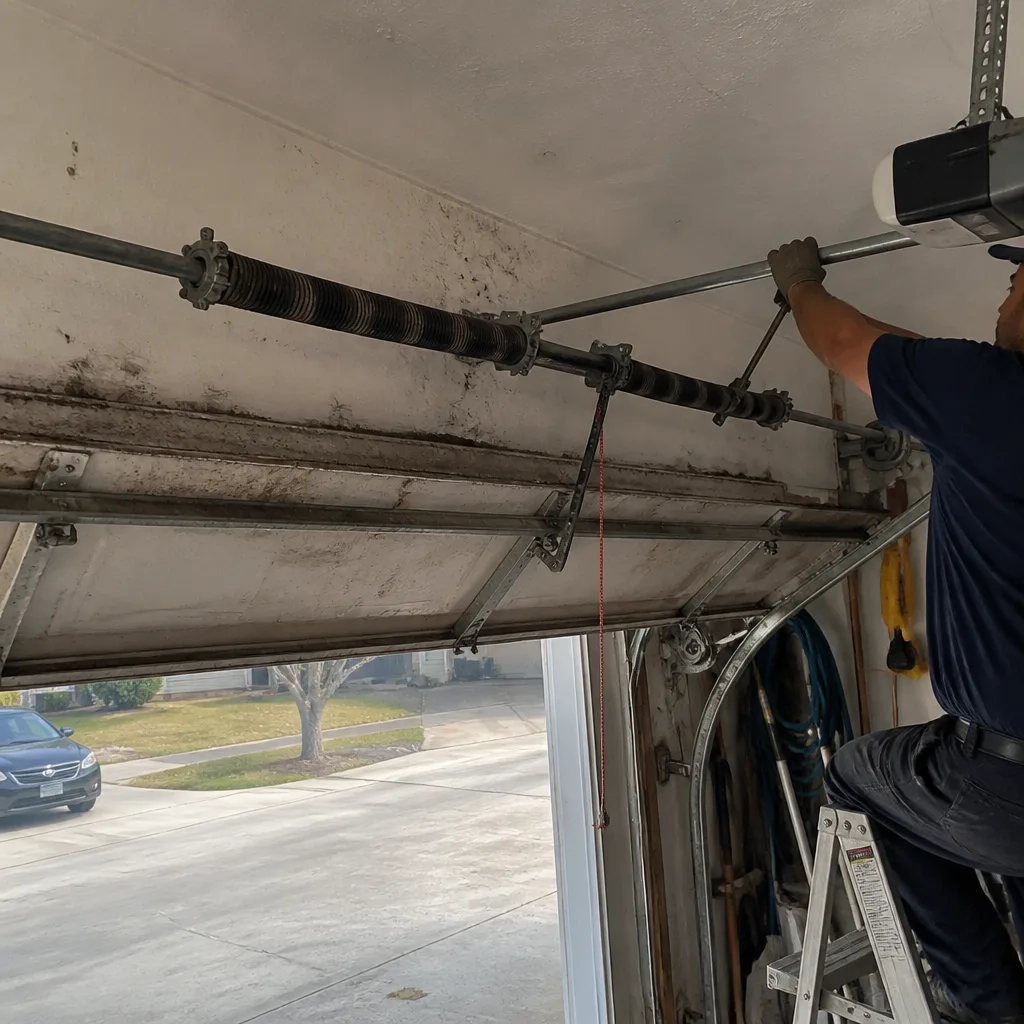 Before
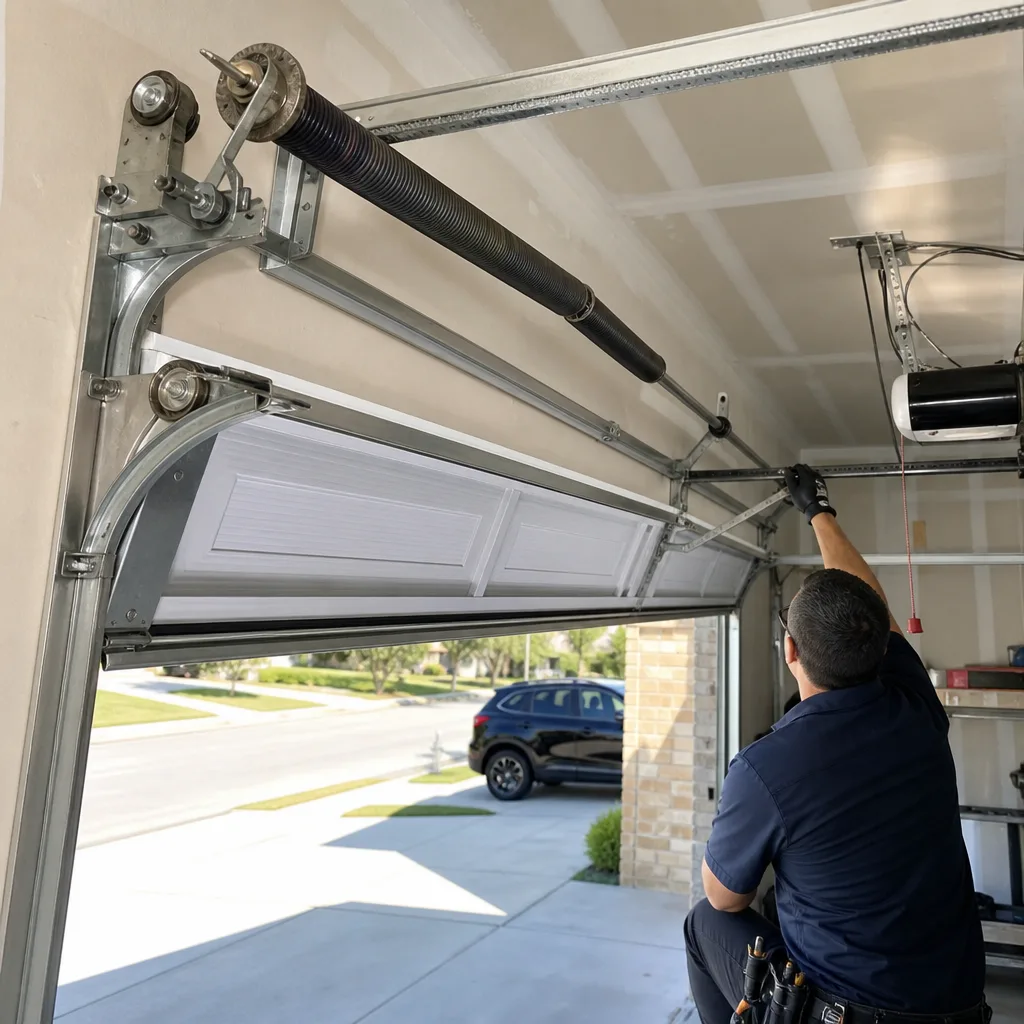 After
AfterGarage Door Permits, Codes & Inspections in TX: What You Need to Know
Most people assume garage door permits work like fence permits: only needed for new construction, never for replacing what’s already there. That assumption has cost Liberty County homeowners real money. A full garage door replacement can trigger a permit requirement the moment the opening changes size, a header gets modified, or the old framing gets rebuilt. Skip that step and you may not find out until a title company or home inspector flags it at closing. This guide covers exactly where Texas and Liberty County draw the line, what the IRC says about fire ratings on attached garages, why wind-load ratings matter in our storm exposure category, and the paper trail you want to keep after any permitted job. For more guides & resources, see our blog.
Quick Answer
In Texas, a garage door replacement-in-kind (same size, same opening, no structural changes) typically does not require a permit in most jurisdictions, including Liberty County. A permit is generally required when the opening is enlarged, the header or supporting framing is modified, or the door is installed on a new structure. When a permit is required, Liberty County’s process is straightforward but takes time: budget 1 to 3 weeks depending on scope and review queue. We recommend calling the county before you sign any contract for a door that involves structural work.
Table of Contents
- Texas Garage Door Permit Basics: Where Replacement-In-Kind Ends and Structural Work Begins
- How the Liberty County Permitting Process Actually Works (and How Long It Takes)
- IRC Fire Ratings: What the Code Requires for Attached Garages
- Wind-Load Ratings and Liberty County’s Storm Exposure: What TDI Wants to See
- What Happens During a Garage Door Inspection in Texas
- The Paper Trail to Keep After Any Permitted Job
- Common Mistakes to Avoid
- When to Call a Professional
- Frequently Asked Questions
- The Bottom Line
Texas Garage Door Permit Basics: Where Replacement-In-Kind Ends and Structural Work Begins
Texas leaves most residential permitting decisions to county and municipal governments, which is why you’ll see different answers from Houston, Beaumont, and unincorporated Liberty County. But the underlying principle is consistent: a permit is about structural change, not about the door itself. The door is a moving component. The opening it sits in is structure. When the structure changes, the permit conversation starts.
Here is how that line plays out in practice for garage door work:
- Replacement-in-kind: no permit in nearly all cases. You remove a 16×7 door and install a new 16×7 door in the same opening. The header, jambs, and framing stay intact. The track mounting points are reused or re-drilled in the same general position. This is a repair or a direct replacement, not construction. Liberty County does not require a permit for this scope.
- Opening enlargement: permit required. Widening a single door to a double door, raising the header to fit a taller vehicle, or cutting a new door opening where none existed all involve structural framing changes. You are altering load paths. The header carries the roof load above the opening. Change the header, and you change the way your house resists gravity. This is a permitted job in every Texas county we know of, Liberty included.
- Header modification or replacement: permit required. Even if the rough opening width stays the same, replacing a damaged or undersized header with a different material or size is structural work. If an installer tells you they’ll “just beef up the header” without mentioning a permit, stop and get that in writing.
- New construction or addition: permit required. A garage added to an existing home or a new detached garage is construction. The door is one component of a permitted building project.
- Complete wall section rebuild: permit required. If water damage or termite damage requires replacing the wall framing around the door, the work goes beyond the door and into the building envelope. That triggers a permit in Liberty County.
One more distinction that matters for our part of Texas: unincorporated areas of Liberty County follow county rules, while incorporated cities like Liberty, Dayton, and Cleveland have their own building departments. The city of Liberty adopts the same family of codes as the county, but interpretation and enforcement vary by who answers the phone. When we do a garage door installation in Liberty that involves structural change, we confirm the permit path with the correct jurisdiction before the first cut is made.
How the Liberty County Permitting Process Actually Works (and How Long It Takes)
If your garage door project needs a permit in Liberty County, the process is not mysterious, but it is not same-day either. Here is the realistic timeline we tell homeowners:
- Determine jurisdiction. Is the property in the incorporated city of Liberty, another incorporated city, or unincorporated Liberty County? The answer determines which desk reviews your application. Unincorporated county work goes through the county permit office. City work goes through the city building department.
- Prepare the application packet. You’ll need the property address, a description of the work, a site plan or sketch showing the garage and door location, and for structural changes, engineered drawings or manufacturer specifications for the header sizing. For windstorm compliance (more below), you may also need the door’s wind-load certification.
- Submit and pay the filing fee. Fees for residential alterations in Liberty County are modest compared to a failed closing. We’ve seen structural garage door alteration permits run in the low hundreds of dollars depending on valuation, but the office can quote the exact figure for your scope.
- Wait for plan review. Simple alterations often clear review in 3 to 5 business days. Anything involving significant header work or a new opening may take 1 to 2 weeks. Peak building season in spring and early summer can stretch this to 3 weeks.
- Complete the work. The installer does the structural work, hangs the door, and schedules the inspection.
- Pass inspection. The inspector verifies the header is sized correctly, anchors and connections meet code, and the door assembly matches the submitted documentation. In windstorm-designated areas, the inspector may also verify the door’s wind-load label.
Total realistic timeline: 1 to 3 weeks from application to final inspection for a straightforward structural alteration. That is why the worst time to discover you need a permit is the week before a home sale closing. The seller in that opening story had to pay to have the work retroactively inspected and documented, which added ten days to the contract-exactly the kind of scenario covered in our Garage Door Warning Signs: A Liberty Homeowner’s Reference Guide. The buyer’s agent almost walked. The deal survived, but it did not have to be that close.
IRC Fire Ratings: What the Code Requires for Attached Garages
The International Residential Code, which Texas has adopted with state-specific amendments, draws a hard line between an attached garage and the living space it shares a wall with. The code’s rationale is simple: garages contain fuel, chemicals, and vehicles. If fire starts in the garage, the house needs time. A garage door is part of that time barrier.
Here is what the IRC requires and what it means for your door choice:
- Separation wall rating. The wall between an attached garage and living space must be a fire-rated assembly, typically 1/2-inch gypsum board on the garage side. But the door opening in that wall is where ratings get specific.
- Door from garage to house must be self-closing. This is the pedestrian door, not the vehicle door. It must close on its own to maintain the fire barrier. Many older Texas homes have a flimsy interior door with no self-closing hinge, and that is a common inspection finding.
- The vehicle door itself is generally not fire-rated. This surprises people. Residential overhead doors are not typically required to carry a fire label, because the separation wall is the primary fire barrier and the vehicle door is on the exterior wall. But the door must be listed and labeled for its intended use under IRC Section R309, and if the garage is attached to living space, the door assembly must close tightly enough to limit air infiltration into the living envelope.
- Ceiling separation matters too. If there is living space above the garage (like a bonus room or apartment), the ceiling must meet the same separation requirement. That means 5/8-inch Type X gypsum board in many cases, and any door opener that penetrates that ceiling with wiring must have the penetrations properly sealed.
- Dwelling-unit separation in attached garages. For a duplex or a home with a separate rental unit, the requirements tighten further, including fire-rated doors with specific labeling.
In our experience doing garage door repair in Liberty, the fire-rating issue that surfaces most often at resale inspections is not the vehicle door. It is a missing self-closing hinge on the pedestrian door or unprotected drywall penetrations where an older opener was wired through the fire barrier. Both are cheap fixes and both are exactly the kind of finding a buyer’s inspector circles in red.
Wind-Load Ratings and Liberty County’s Storm Exposure: What TDI Wants to See
Liberty County sits near enough to the Gulf Coast that wind matters. The Texas Department of Insurance (TDI) designates counties and portions of counties for windstorm building code requirements, and while Liberty County is not in the first-tier coastal zone like Galveston or Chambers, portions of the county fall within the designated catastrophe area where windstorm insurance rates and building requirements are affected. The practical question for homeowners: does my garage door need a wind-load rating, and how do I prove it?
Here is the breakdown:
- If your home is in a TDI windstorm-designated area and the door is being replaced as part of new construction or a structural alteration, the door should carry a wind-load rating label that certifies the assembly meets the design pressure for your exposure category. The label is typically a permanent metal or mylar tag attached to the door section or track.
- Most quality residential doors from Wayne Dalton, Clopay, and Raynor are available in wind-load-rated versions. The wind-rated version does not look different. It has reinforced sections, heavier track, additional struts, and stronger hinges. The difference is documented, not cosmetic.
- Replacement-in-kind on an existing door that was never wind-rated generally does not trigger a mandatory upgrade unless the replacement is part of a larger permitted project. But if you are insuring or selling a home in a windstorm zone, an inspector or underwriter may ask whether the door meets current standards.
- Verification is a paperwork exercise. The door’s wind-load certification should be part of the manufacturer documentation you receive at purchase. Keep it. A buyer’s inspector will ask for it. Your insurance agent may ask for it. The tag on the door itself is your in-field proof.
We install doors across the wind-rating spectrum in this county, and the conversation with homeowners usually starts with their insurance declaration page. If your policy shows windstorm coverage through the Texas Windstorm Insurance Association or windstorm exclusions, ask your agent what they require for garage door replacements before you choose a door. A door that saves $200 today and costs you a windstorm denial after the next named storm is not a deal.
What Happens During a Garage Door Inspection in Texas
If your project pulled a permit, the final inspection is the moment the county signs off. It is not the same thing as the safety inspection we do on a door we are about to repair. A permitted job inspection is about code compliance for the structural work, and here is what the inspector is looking at:
- Header and framing. The inspector checks that the header size matches the submitted load calculations, that the king studs and jack studs are the right species and dimension, and that connections are nailed, bolted, or strapped per the approved plan. This is the core of the inspection.
- Anchoring. The track brackets and mounting hardware must be secured to the framing with the specified fasteners. Lag screws in the wrong place or undersized anchors are a common correction item.
- Door fit and operation. The door must balance correctly and operate through a full cycle without binding. A door that hangs crooked or flexes under load will not pass.
- Wind-load documentation (where applicable). In windstorm-designated areas, the inspector verifies the door assembly label matches the documentation submitted with the permit application. If the label is missing or the documentation does not match, the inspection fails and the fix is paperwork plus potentially a new door section.
- Fire separation (where applicable). If the structural work touched the separation wall between garage and living space, the inspector checks that the gypsum board is intact or replaced to the required thickness.
A final inspection for a straightforward door alteration takes 15 to 20 minutes when the work was done right. When it fails, it is almost always a documentation mismatch: the plan says one door model, the installed door is a different one, and the wind-load label does not match the permit. That is a fixable problem, but it costs time and a re-inspection fee. The lesson: whoever does the work should match the submitted paperwork exactly, and you should keep a copy of everything after the inspection closes, as detailed in our Garage Door Repair Maintenance Checklist for Liberty Homeowners.
The Paper Trail to Keep After Any Permitted Job
The value of a permitted garage door job is not just in the countys sign-off. It is in the file you keep for the next ten or twenty years, because that file is what a future buyers inspector, title company, or insurance underwriter will ask for. Here is what belongs in it:
- The permit application and the issued permit. Both documents. The issued permit is the one that proves the work was reviewed and approved.
- The final inspection record or certificate of approval. This is the document that converts a permit into a completed, closed file. Without a final inspection record, a permit is just an open loop.
- The door manufacturers documentation. Model number, serial number, and installation instructions. If the door is wind-load rated, the certification that shows the design pressure rating.
- The header and framing calculations or engineering letter, if the job involved structural modification. This is the single most valuable piece of paper in the file, because it proves the opening was altered under a reviewed design.
- Photos of the work in progress. Ten minutes of photos at framing stage, before drywall or trim covers the header, saves a future inspector from having to guess what is behind the wall. Those photos have saved resale deals in Liberty County.
- Receipts and warranty documents. Including any warranty that transfers to a subsequent owner. Many manufacturers allow warranty transfer, but only if the paperwork is completed at sale.
Store the file somewhere you will remember: with your closing documents, in a labeled folder in the home office, or scanned to a cloud drive. The homeowner in that opening story had none of this, and the retroactive inspection cost them more than the original installation. The paperwork is the cheapest insurance you will ever buy for this house.
Common Mistakes to Avoid
- Assuming replacement-in-kind always means no permit. If the new door is heavier than the old one, or if the installer reinforces the opening in any way, the scope has changed. Confirm before work starts.
- Letting the installer decide the permit question without documentation. If an installer says no permit is needed, ask them to put that in writing and sign it. If they are wrong, that piece of paper becomes your evidence in a future dispute.
- Enlarging an opening without the header being recalculated. A wider door means a longer span means a bigger header. Guesswork here is how you get sagging walls and failed inspections.
- Buying a non-wind-rated door for a home in a TDI windstorm zone. The cost difference between standard and wind-rated versions of the same door is modest. The cost of being uninsurable after a storm is not.
- Pulling a permit and then never closing the inspection. An open permit is a title defect. It lingers in the county record until someone closes it. If you move before the final inspection, you leave a problem for the next owner.
- Throwing away the door’s documentation after installation. That label and the papers behind it are your resale and insurance documentation. Without them, you own a nice door and a paperwork gap.
- Waiting until a sale is under contract to pull the permit. Liberty County review times are not instant. A retroactive permit during escrow is a negotiation concession and a closing risk. Do the permit work when the door work happens.
When to Call a Professional
Any garage door job that involves the opening’s structure has the potential to go wrong in ways that are expensive to fix. You should call a professional when: the opening is being enlarged or a new header is required, the existing framing shows water or termite damage, the door is in a windstorm-designated area and you need rated equipment, or the work will require a Liberty County permit and you want someone who has filed these before and can match the paperwork to the installed door. Otto’s Garage Door offers free estimates in Liberty, and we will tell you honestly whether your job needs a permit or not. Call (346) 496-4718 and ask for an assessment before you sign anything.
Frequently Asked Questions
No, a replacement-in-kind (same size door in the same opening with no structural changes) does not require a permit in Liberty County. A permit is required when the opening is enlarged, the header is modified, or the door is part of new construction. If you are unsure where your job falls, call the county or call us at (346) 496-4718 and we will tell you straight.
Structural alteration permits in Liberty County are typically in the low hundreds of dollars depending on project valuation, but the county office can quote the exact fee for your scope. The permit cost is minor compared to the title problem created by unpermitted structural work.
Yes, but the unpermitted work may be flagged by a buyers inspector or title company if it involved structural changes like a header modification. The fix is a retroactive permit and inspection, which costs time and money during escrow. If the job was a direct replacement-in-kind with no structural work, there is generally nothing to flag.
A wind-rated door has reinforced sections, additional struts, heavier track, and stronger hardware to resist design wind pressures. It looks like a standard door from the outside, but it carries a certification label and documentation that your insurance company can verify.
The vehicle door itself is generally not fire-rated under the IRC. The fire separation requirement applies to the wall and pedestrian door between the garage and living space. The pedestrian door must be self-closing and the wall must meet gypsum board thickness requirements.
Most residential alteration permits clear plan review in 3 to 5 business days, with a total timeline of 1 to 3 weeks from application to final inspection. Peak building season can add time. Start the permit conversation before the work is scheduled, not after.
The Bottom Line
Texas garage door permitting comes down to one question: is the structure changing or is the door just being replaced? Replacement-in-kind is permit-free in Liberty County and nearly everywhere else in Texas. Enlarging an opening, modifying a header, or adding a new garage triggers a permit, and skipping it creates a title problem that surfaces at the worst possible moment: closing. Check your windstorm zone before you buy a door, keep every piece of paperwork from any permitted job, and if you are not sure where your project falls, call someone who files these permits in Liberty County every month. Otto’s Garage Door has been doing this work since 2004, and the name on the van is the name on the license. Call (346) 496-4718 for a free estimate and a straight answer.
Written by Otto Reinhardt, Owner at Otto’s Garage Door, serving Liberty since 2004.